
Preserving performance, durability, and architectural character in terra cotta facades
Terra Cotta Restoration
Terra cotta is both structural and expressive. While often viewed as ornamental, it plays an active role in managing moisture, thermal movement, and facade stability. When terra cotta fails, the cause is rarely cosmetic. It is almost always the result of incompatibility, trapped moisture, or long-term thermal stress.
At GKW Restoration, terra cotta restoration begins with understanding how the original units were manufactured, installed, and expected to perform. Our work focuses on preserving the material’s behavior as much as its appearance.
Understanding Terra Cotta Deterioration
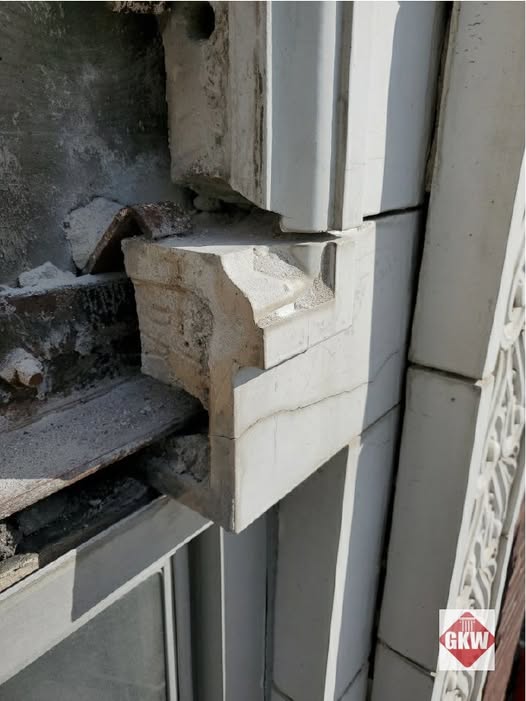
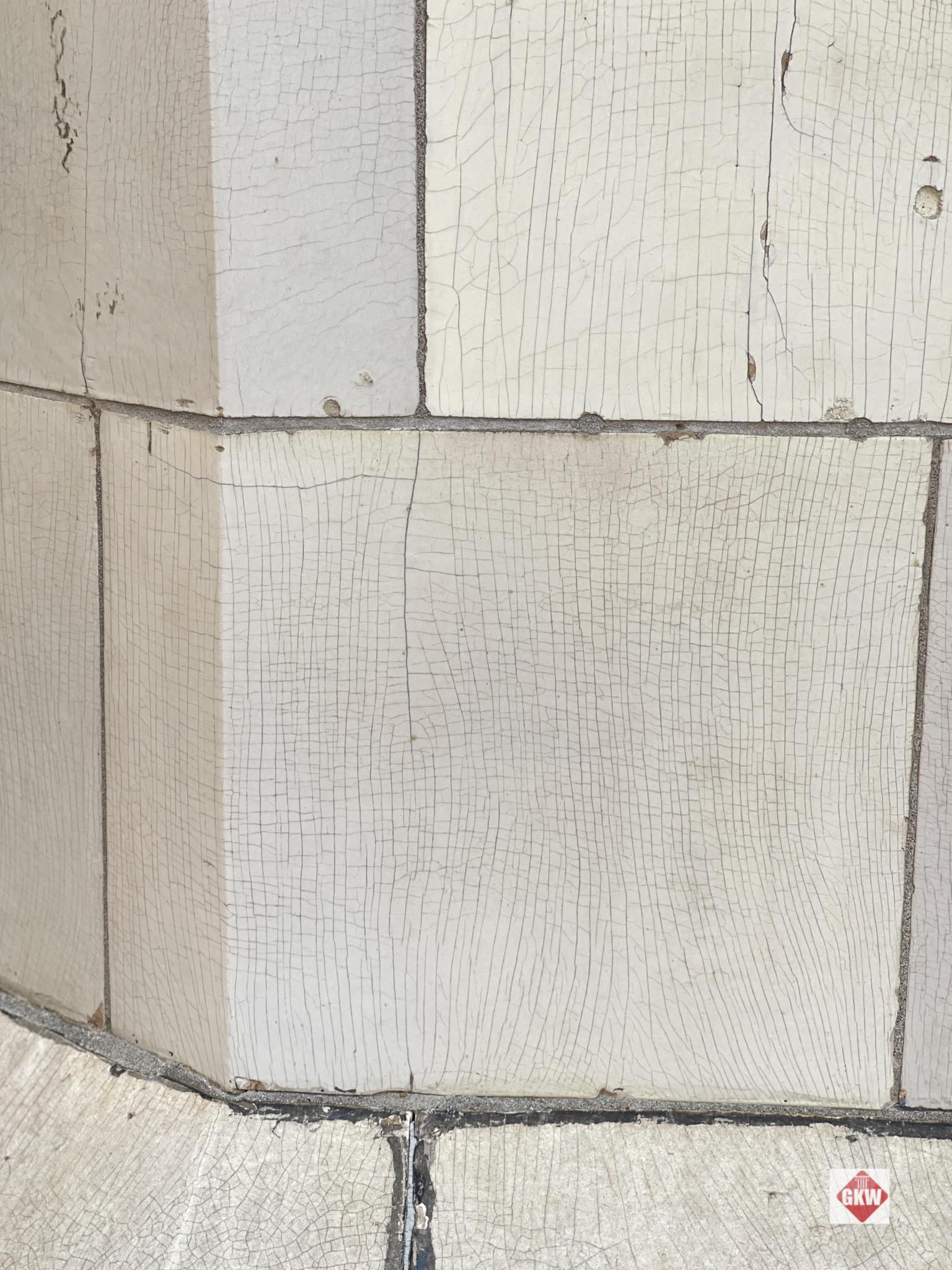
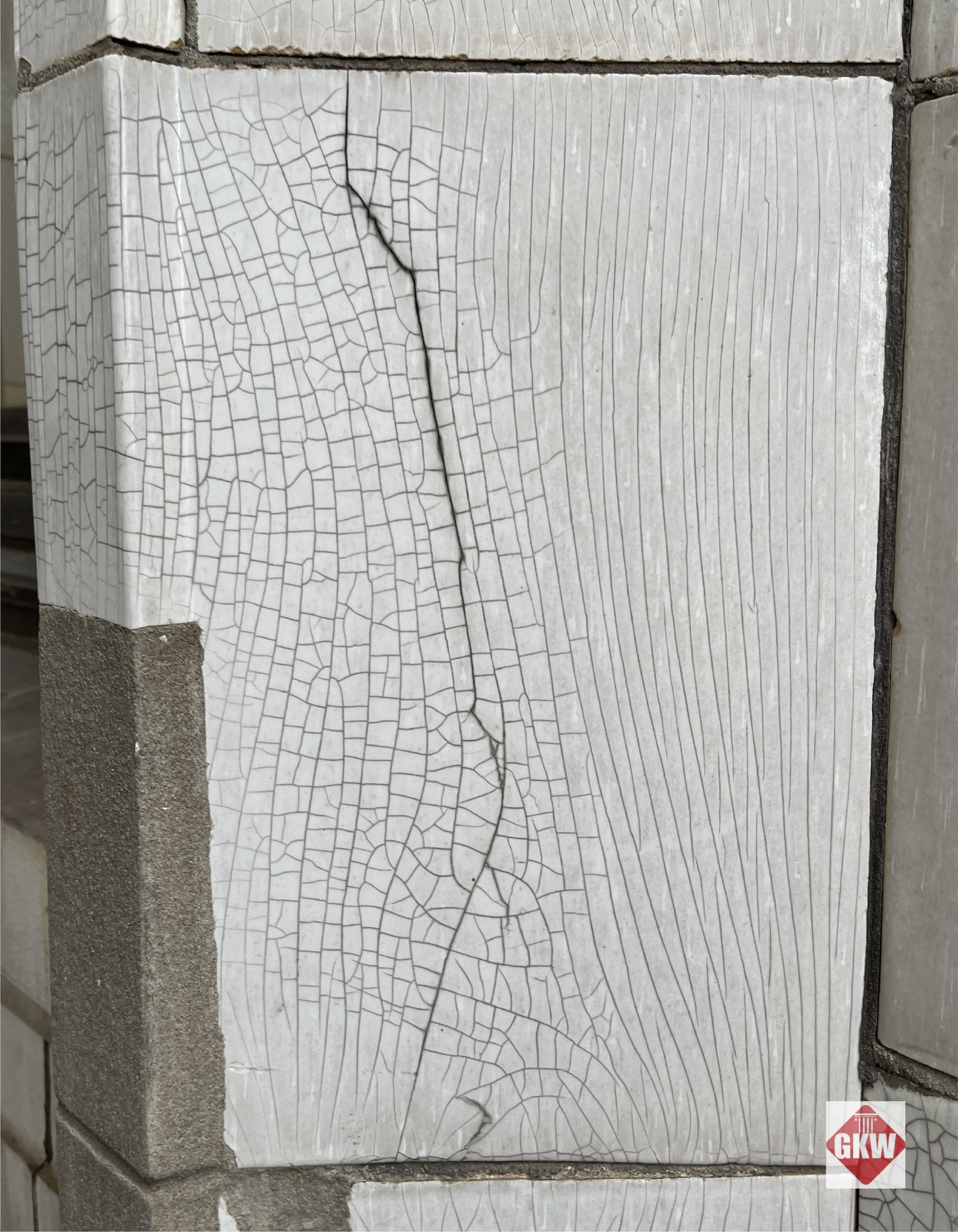
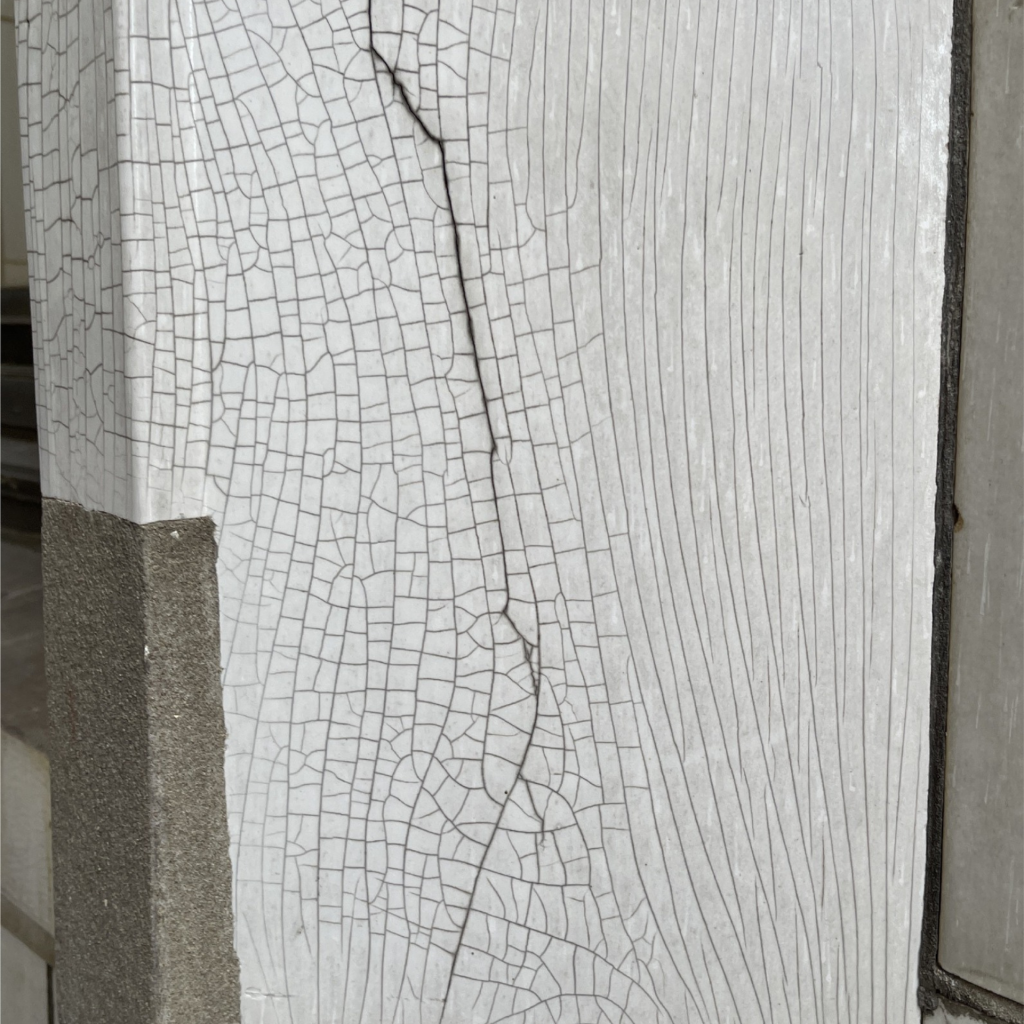
Terra cotta deterioration often reveals itself through cracking, spalling, glaze loss, and displacement.
These conditions develop over time as units respond to temperature changes, moisture exposure, and internal stress.
Common causes include improper bedding, corroded anchors, thermal mismatch between units and surrounding materials, and vapor pressure trapped behind the facade. Without addressing these root conditions, surface repairs fail prematurely.
GKW evaluates deterioration through visual inspection, probing, moisture analysis, and selective removal when necessary. This allows us to determine whether units should be repaired, stabilized, or replaced.
Material Compatibility and Repair Design
Successful terra cotta restoration depends on compatibility.
Replacement units, patching materials, mortars, and anchors must respond to environmental conditions in the same way as the original material.
We assess porosity, thermal expansion behavior, and absorption rates before designing repairs. Patch formulations are selected to remain breathable while providing durability and adhesion. Where replacement is required, new units are matched not only in color and profile but also in performance characteristics.
This approach ensures repairs integrate seamlessly and age naturally with the surrounding facade.
Installation and Quality Control
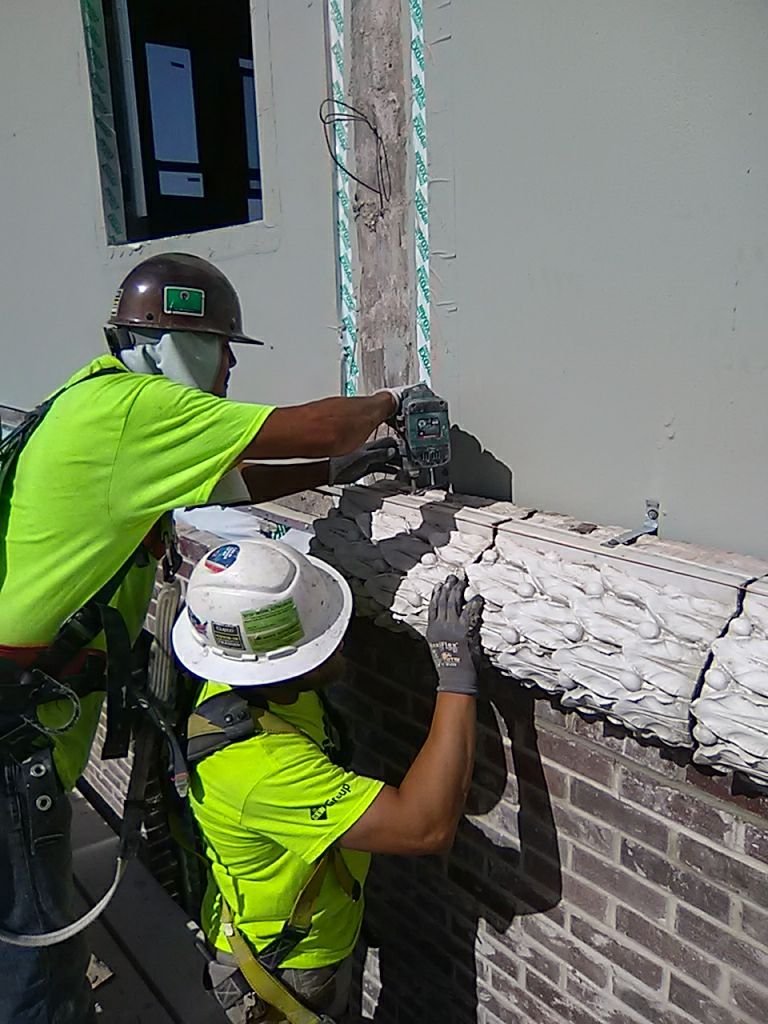
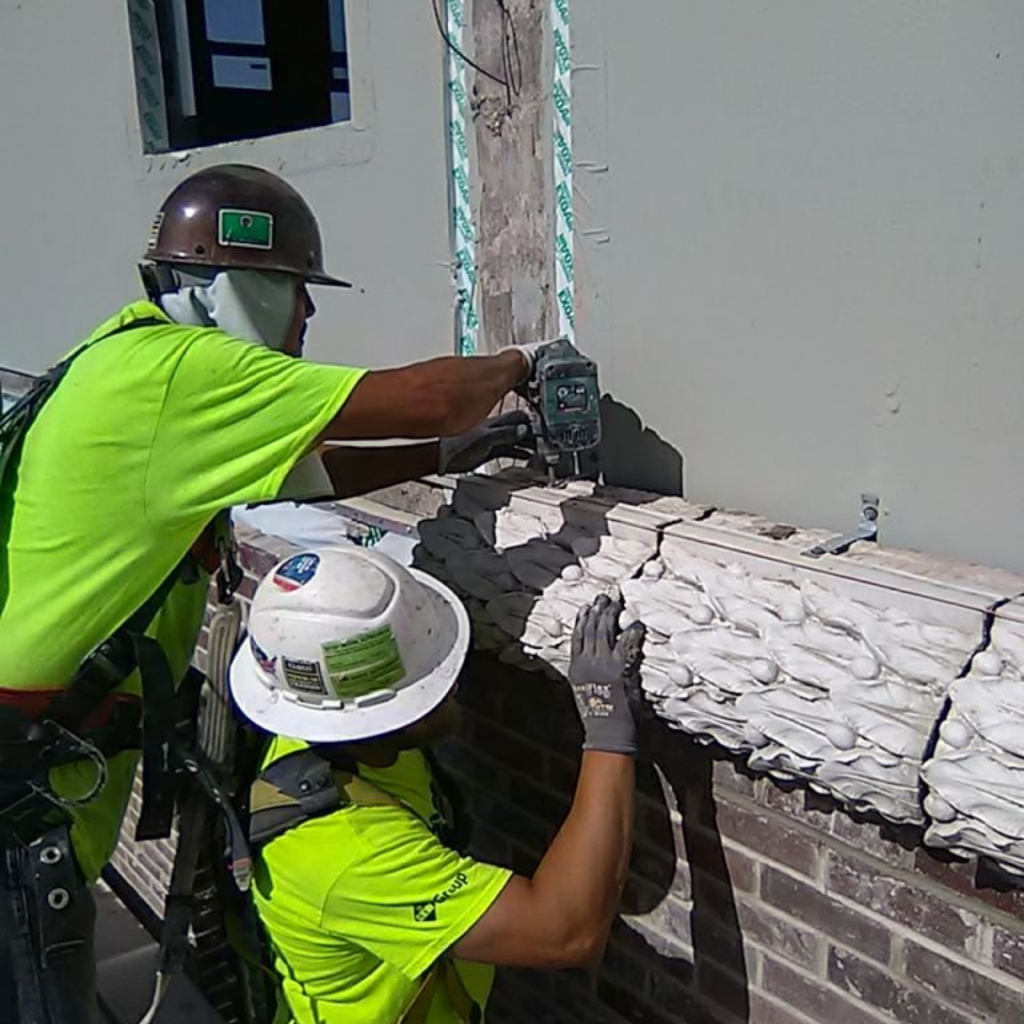
Terra cotta restoration requires careful handling and precision installation.
Units are supported and anchored using corrosion-resistant systems designed to accommodate movement and prevent future stress concentrations.
During installation, GKW verifies alignment, bearing conditions, and attachment performance. Repairs are coordinated with adjacent materials such as masonry, flashing, and sealants to maintain continuity across the facade.
Quality control throughout the process ensures repairs remain stable, durable, and visually cohesive.
Applications for Terra Cotta Restoration
Terra cotta restoration is commonly performed on:
Historic masonry facades
Commercial and institutional buildings
Decorative cornices and parapets
Column covers and architectural accents
Multi-story masonry assemblies
Why GKW Restoration
Terra cotta restoration demands more than surface repair. It requires material understanding, careful planning, and experienced execution.
GKW Restoration brings a science-based approach to terra cotta preservation, combining investigation, compatibility analysis, and skilled craftsmanship. Our goal is to extend the life of terra cotta facades while preserving the architectural intent that defines them.
Terra Cotta Restoration FAQs
Preserving material behavior, compatibility, and architectural integrity
Terra cotta deteriorates due to moisture infiltration, thermal stress, corroded anchors, and material incompatibility that leads to cracking and spalling.
In many cases, yes. Repair or patching may be appropriate when units remain structurally sound. GKW evaluates each condition to determine the best approach.
Incompatible materials expand, contract, and absorb moisture differently, leading to future cracking or failure. Compatibility ensures repairs age with the original facade.
Replacement units are matched based on porosity, thermal behavior, strength, and finish to ensure long-term performance and visual continuity.
Yes. Terra cotta restoration is frequently performed on landmark and historic buildings using preservation-based methods and careful documentation.