Building Envelope & Waterproofing
The building envelope is a structure’s first and most critical line of defense. When it fails, moisture intrusion, air leakage, and material deterioration follow, often long before visible damage appears.
Request a Project Consultation

Engineered Protection for the Systems That Defend Your Structure

Engineered systems that control water, air, and moisture intrusion

GKW Restoration provides building envelope and waterproofing solutions that are engineered, tested, and verified in the field. Our work focuses on creating continuous, compatible systems that manage water, air, and vapor movement throughout the building enclosure.

We approach envelope restoration and waterproofing as a system, not a collection of isolated products. Material selection is guided by climate conditions, substrate behavior, and assembly performance. Installation is supported by field testing, quality control measures, and adherence to manufacturer and industry standards.

From fluid applied air barriers and waterproofing membranes to sealants, expansion joints, flashing systems, and traffic coatings, our teams deliver solutions that protect structures under real world conditions. Performance is not assumed. It is confirmed through proper preparation, application control, and verification.

The goal is long term protection that reduces risk, extends service life, and preserves the integrity of the structure beneath the surface.

Building Envelope and Waterproofing Services

Integrated solutions designed to control moisture, air intrusion, and environmental exposure across the entire building envelope.

Below-Grade Waterproofing

Below-grade waterproofing systems protect foundations and occupied spaces from groundwater intrusion and long-term moisture damage. GKW Restoration installs reliable waterproofing systems designed for durability in demanding below-grade conditions.

Read More


Sealants & Expansion Joint Systems

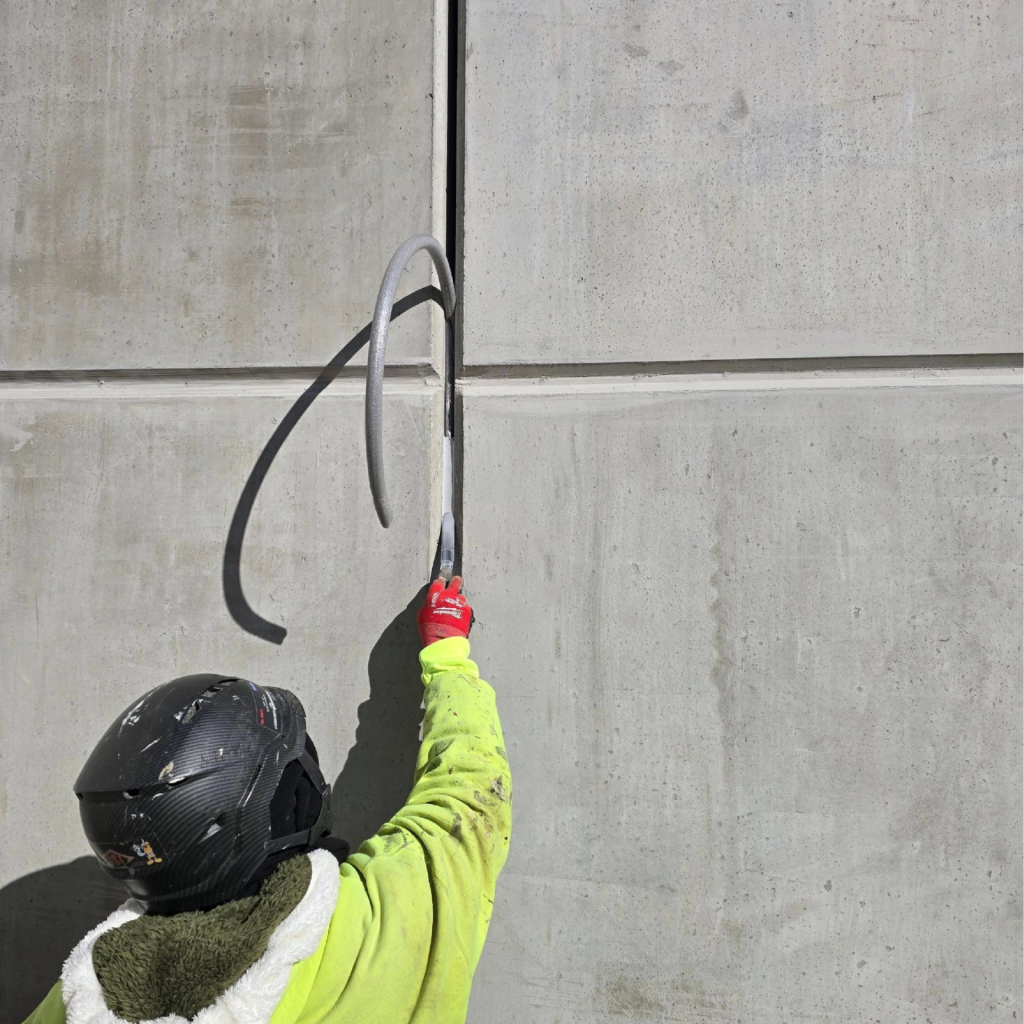
Sealants and expansion joint systems protect critical building transitions by accommodating movement and preventing moisture intrusion. GKW Restoration installs and replaces joint systems engineered for durability, compatibility, and long-term envelope performance.

Read More

Fluid-Applied Air Barrier Systems

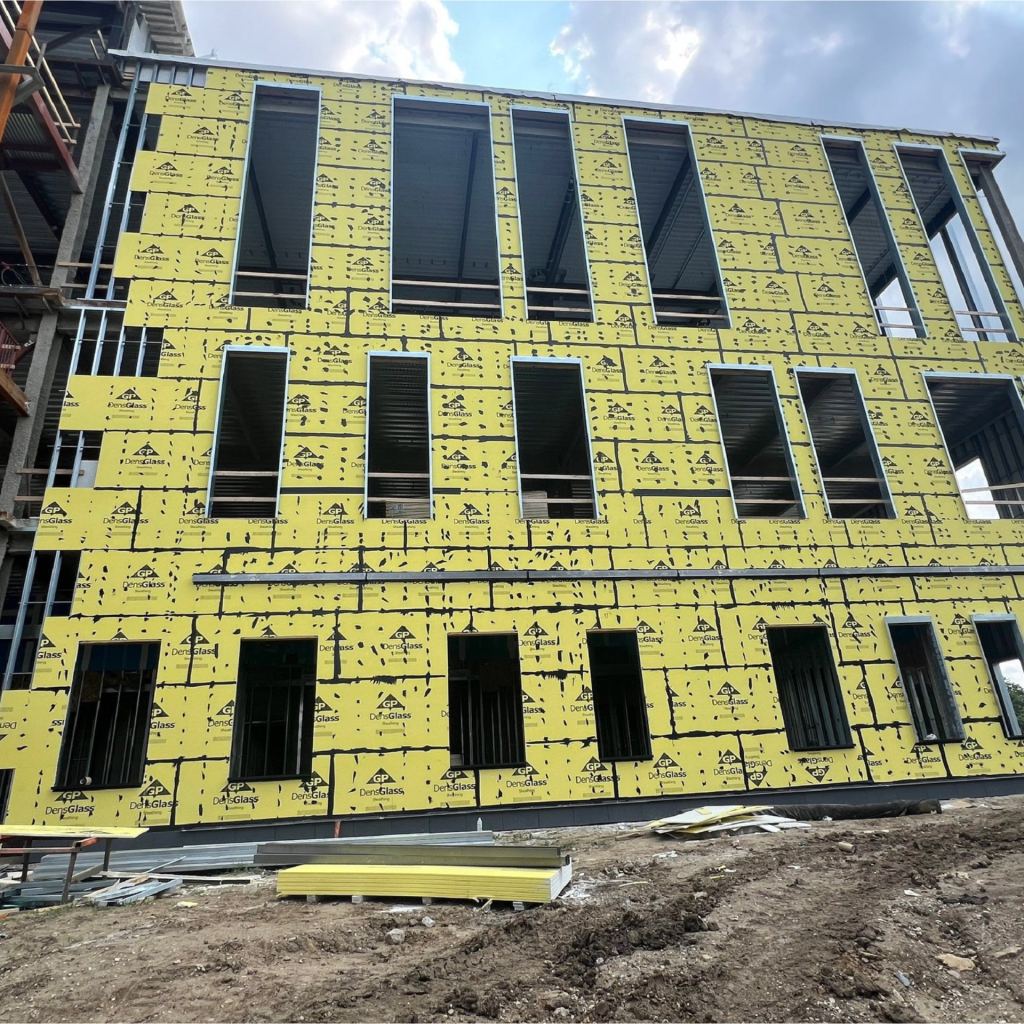
Fluid-applied air barriers protect building envelopes only when properly selected, installed, and verified. GKW Restoration delivers engineered air barrier systems with field testing to ensure continuity, adhesion, and long-term performance.

Read More

Why GKW Restoration

The building envelope is a system, not a collection of individual materials. Its performance depends on continuity, compatibility, and proper integration between components.

GKW Restoration approaches envelope work with a systems mindset. We evaluate how air, water, and vapor move through the assembly and how materials respond to environmental conditions over time. This informs our approach to waterproofing, air barriers, sealants, expansion joints, and traffic coating systems.

By combining field testing, material verification, and disciplined installation practices, we deliver envelope solutions that protect buildings from moisture intrusion, energy loss, and premature failure.

Building Envelope & Waterproofing FAQs

ANSWERS TO COMMON QUESTIONS ABOUT ENVELOPE PERFORMANCE

What is included in building envelope work?

Building envelope work includes air barriers, waterproofing systems, sealants, flashing, expansion joints, and coatings that control air, water, and vapor movement.

Why is system integration important?

Poorly integrated systems create gaps that allow moisture intrusion and air leakage. Proper coordination ensures long term envelope performance.

How does GKW verify envelope performance?

We use field testing such as wet film thickness measurements, adhesion testing, and visual inspections to confirm proper installation.

Do envelope systems require maintenance?

Yes. Sealants, coatings, and joints experience wear over time and should be inspected periodically to prevent failures.

Can envelope issues affect structural performance?

Yes. Moisture intrusion can lead to corrosion, freeze-thaw damage, and material deterioration that compromise structural integrity.