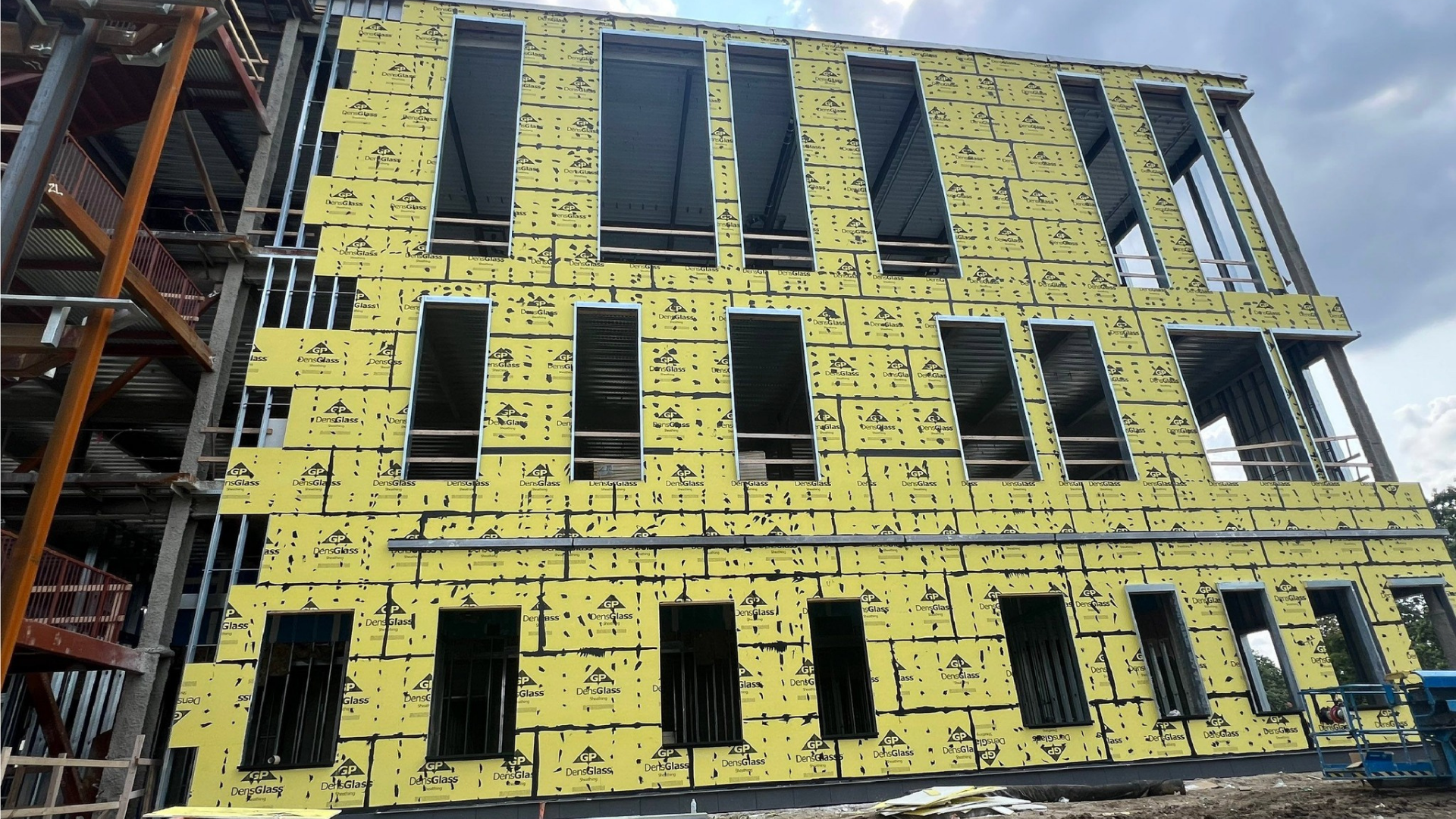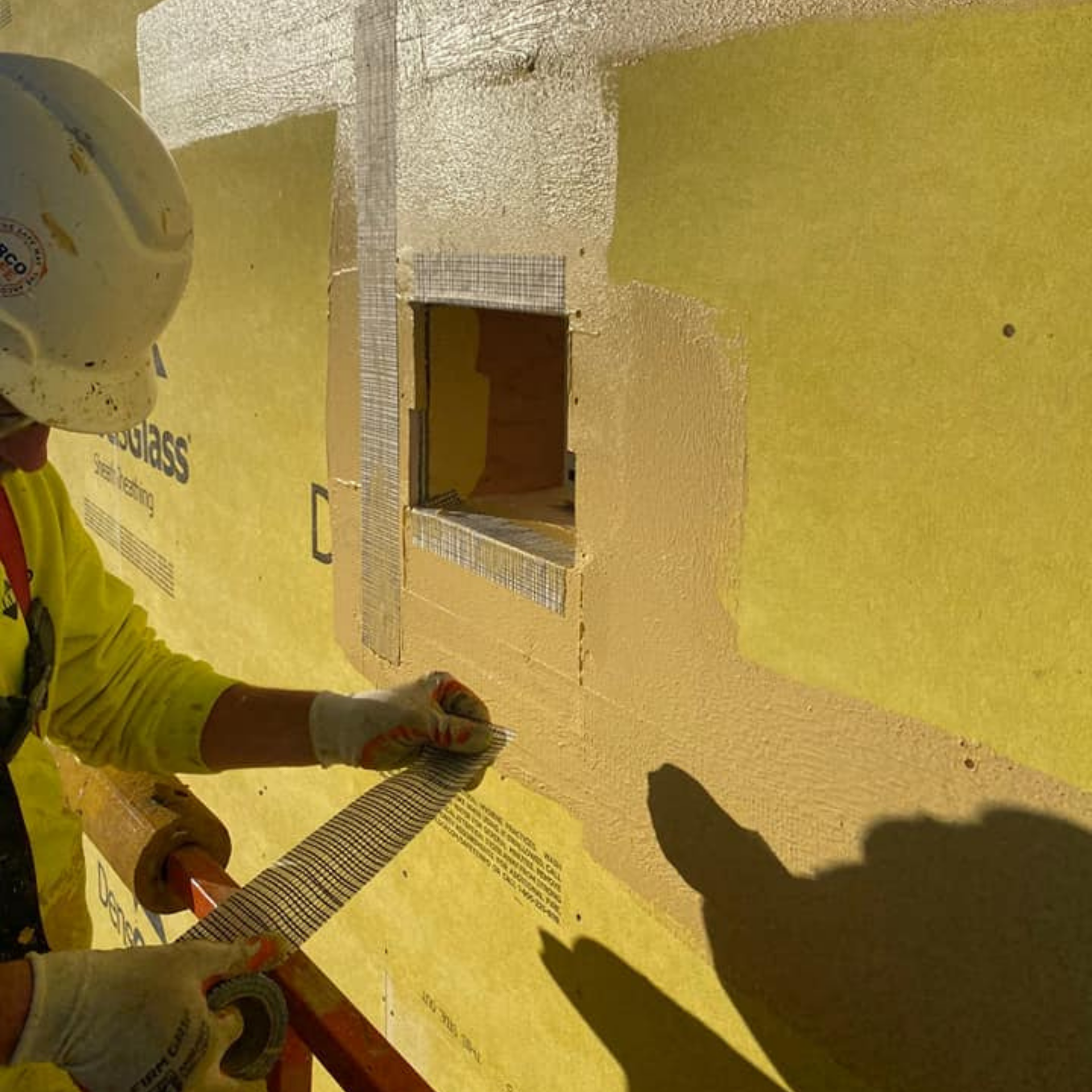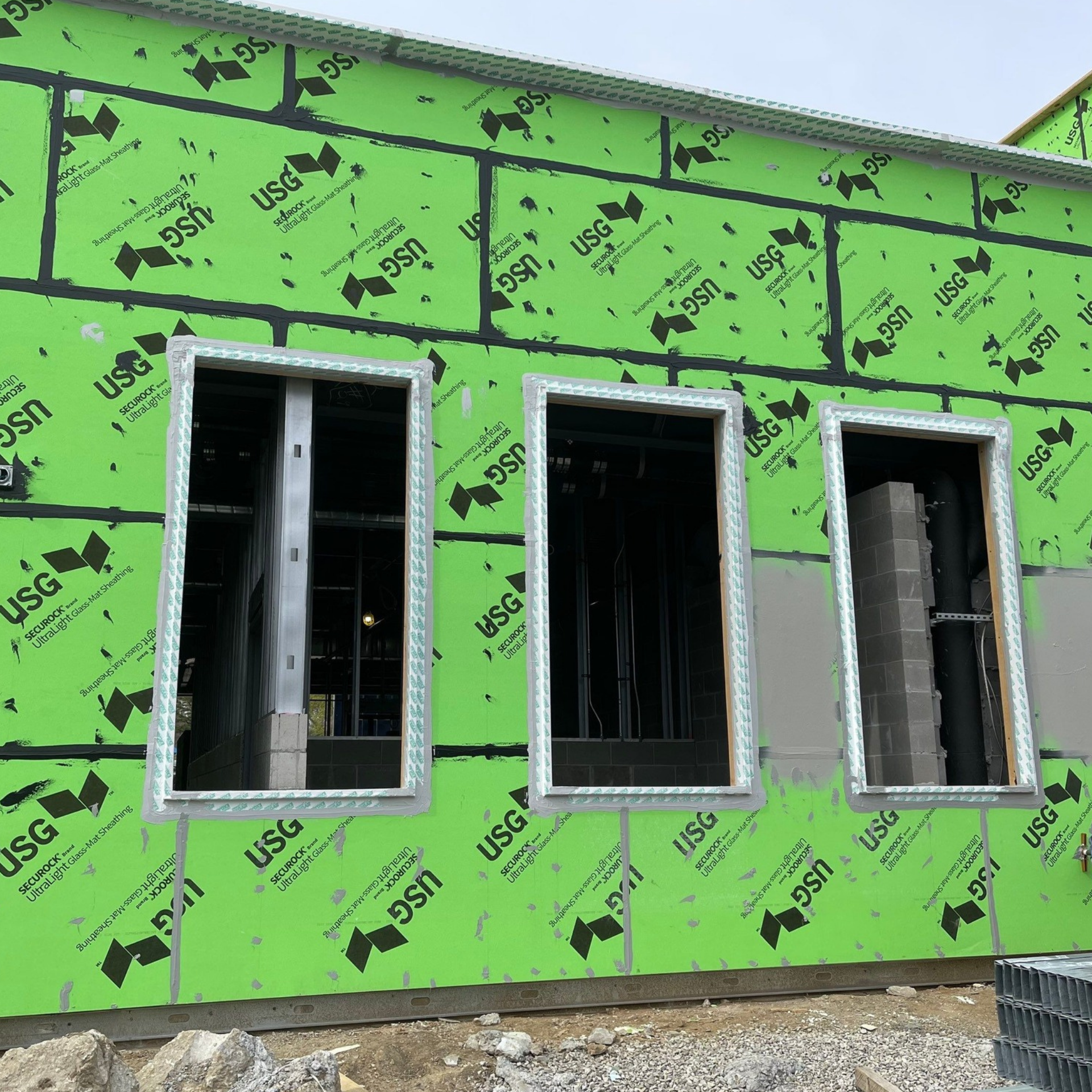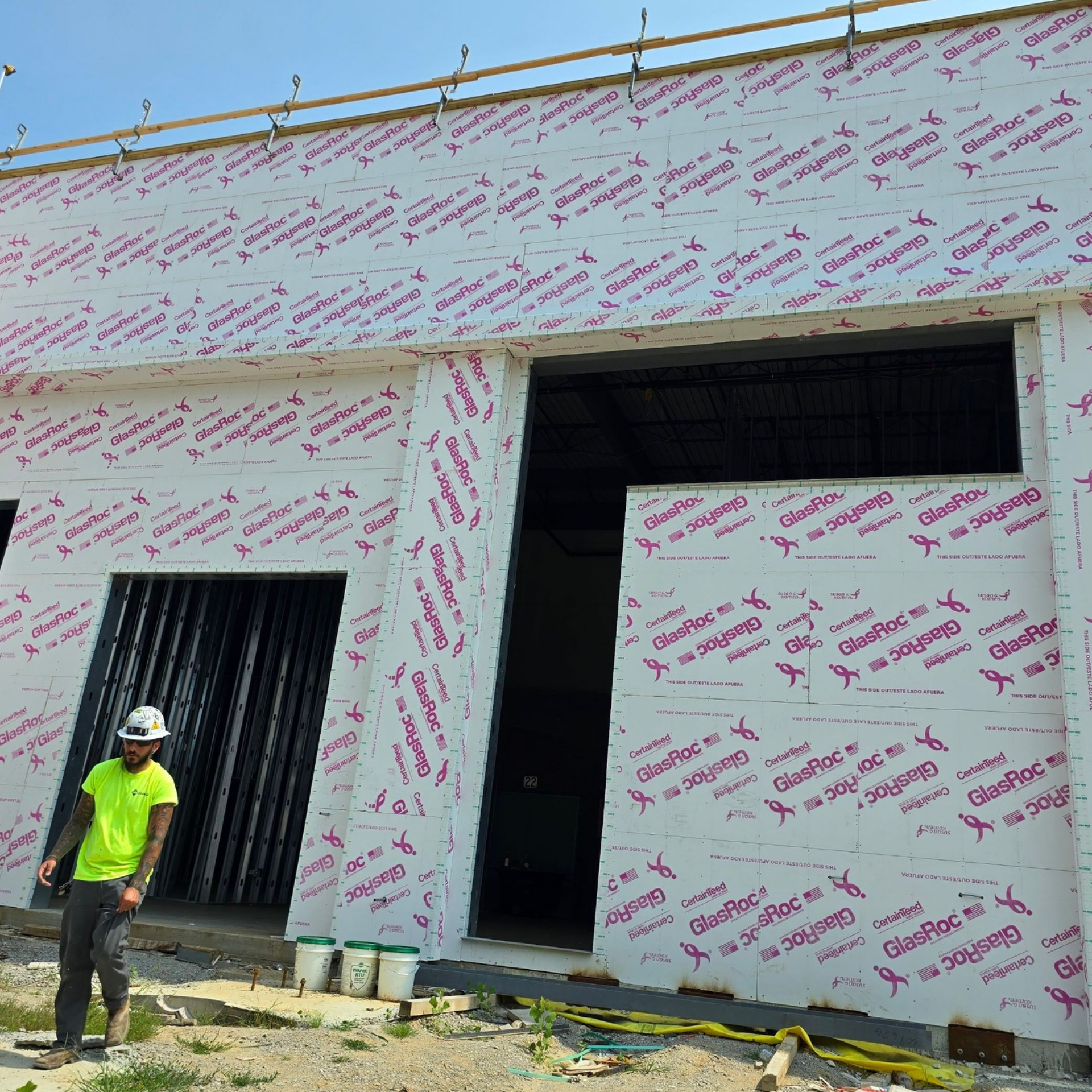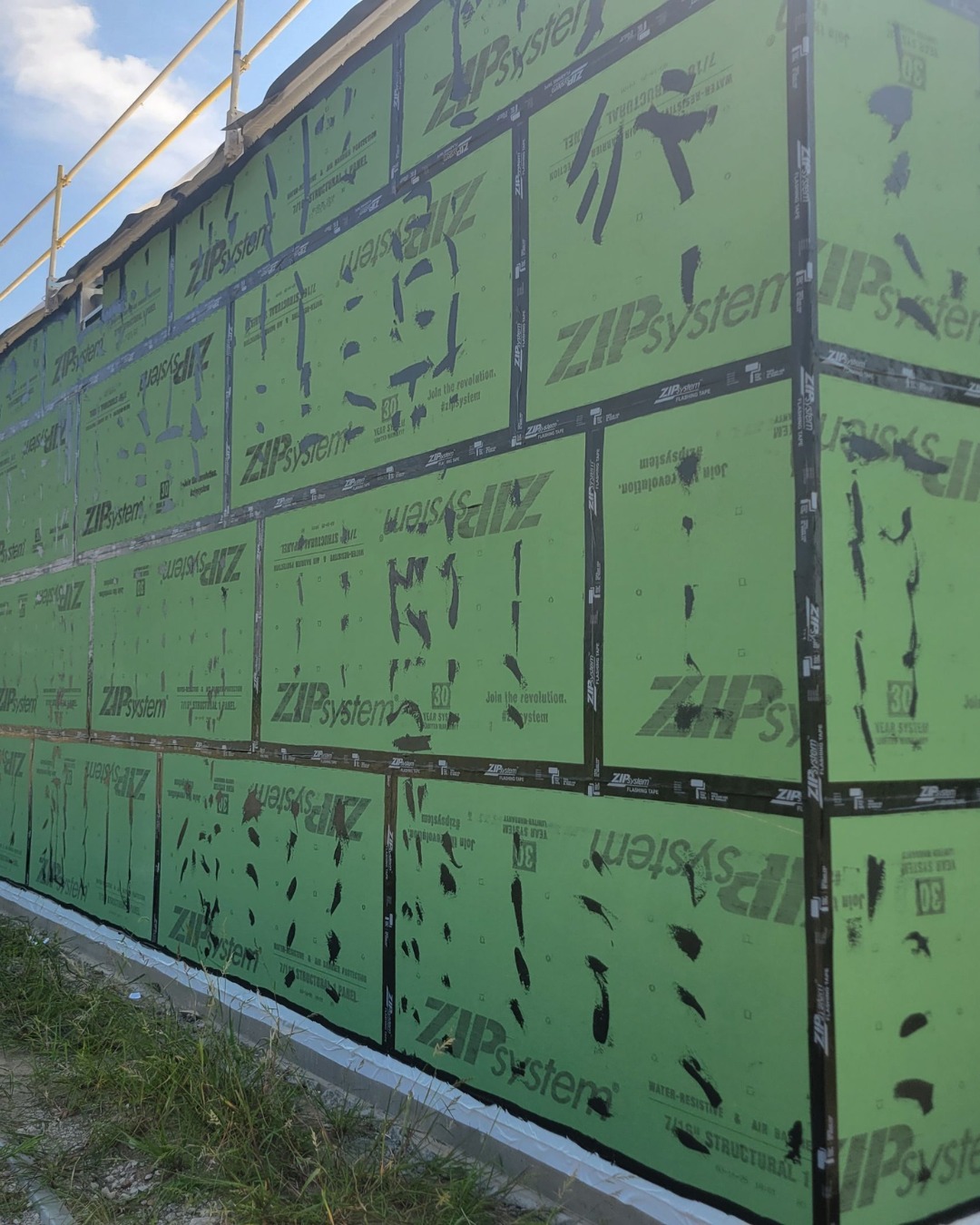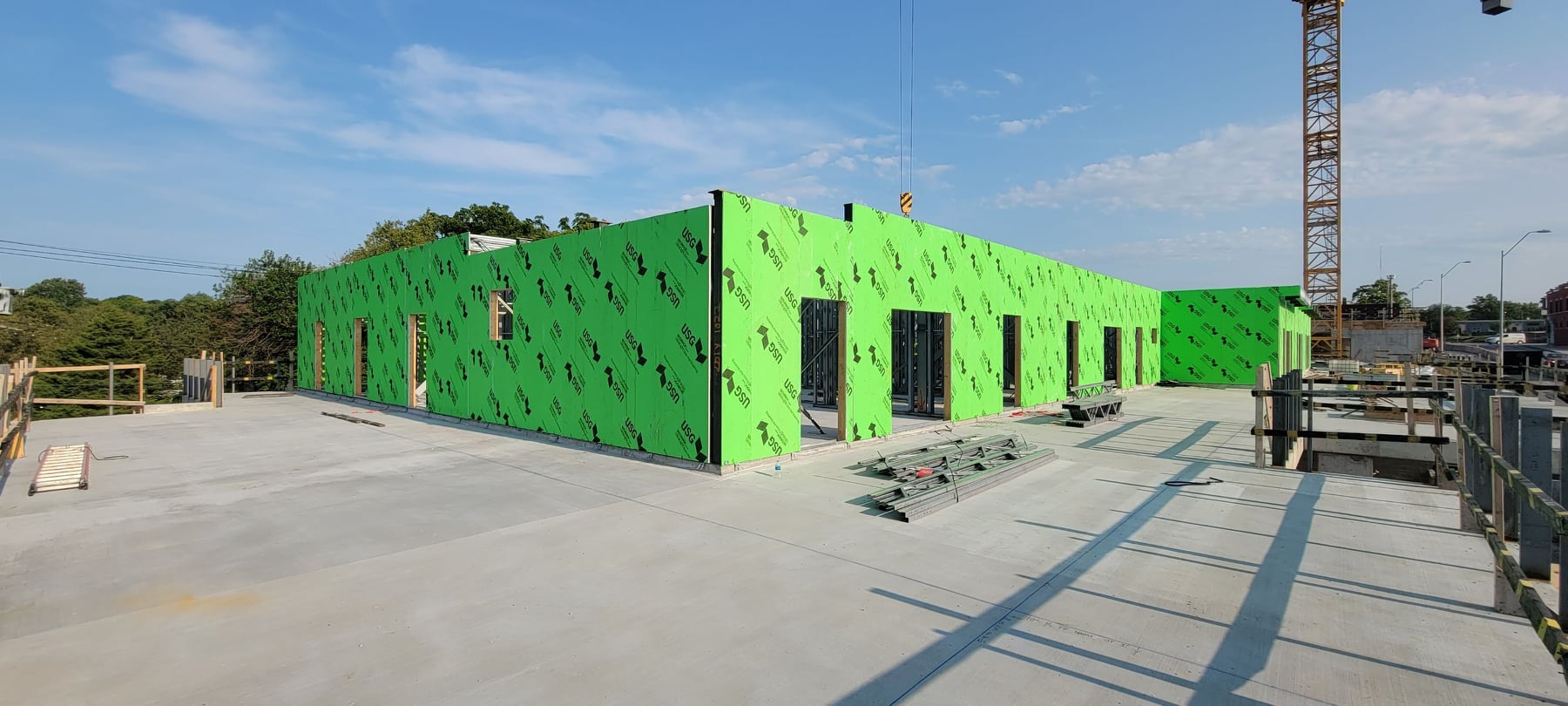

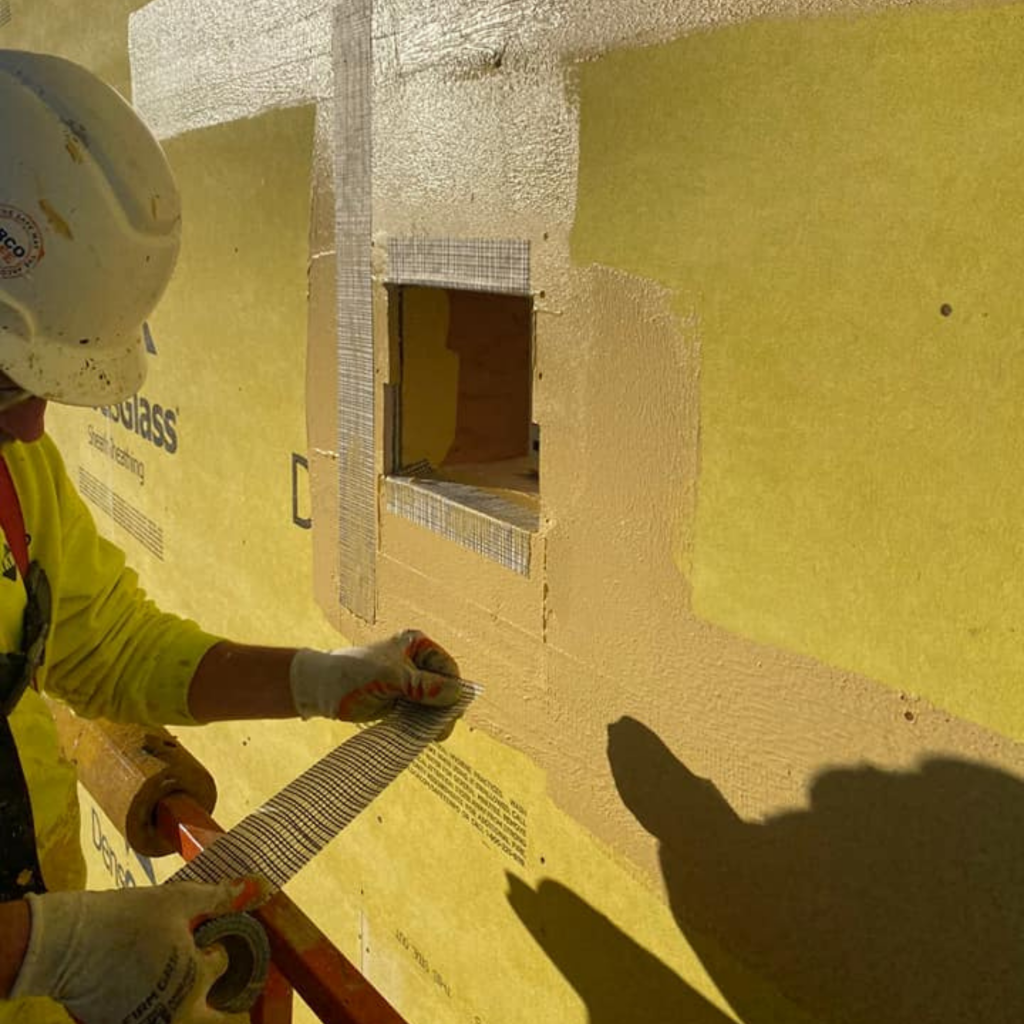
Engineered air barrier solutions verified for continuity, adhesion, and long-term performance
Fluid-Applied Air Barrier Systems
A fluid-applied air barrier is only as effective as its continuity and bond to the substrate. When these systems fail, air leakage, moisture intrusion, and material degradation follow quietly behind the wall.
At GKW Restoration, fluid-applied air barriers are treated as engineered systems, not coatings. Successful performance depends on substrate preparation, material compatibility, environmental conditions, and field verification. Every step matters.
Our approach focuses on controlling air movement, managing vapor transmission, and protecting the building envelope from conditions that compromise durability and energy performance.
Why Air Barriers Matter
Uncontrolled air movement is one of the leading causes of moisture intrusion and energy loss in buildings.
Air leakage allows warm, moisture-laden air to enter wall assemblies where condensation can occur, leading to corrosion, mold, and material breakdown.
A properly designed and installed air barrier reduces pressure differentials across the building envelope and protects surrounding materials from long-term exposure. When installed incorrectly or without verification, even high-quality products can fail prematurely.
GKW evaluates air barrier performance as part of the entire wall assembly, not as a standalone product.
System Compatibility and Material Selection
Not all fluid-applied air barriers perform the same way.
Material chemistry, vapor permeability, elongation capacity, and adhesion characteristics vary widely between systems.
Before installation, we assess substrate condition, surface porosity, moisture content, and interface conditions with flashing, sealants, and insulation. Air barrier selection is based on how the system must perform within the specific wall assembly and climate exposure.
Compatibility between materials is critical. Incompatible systems lead to delamination, cracking, and loss of continuity over time.
Field Verification and Quality Control
Performance is not assumed. It is verified
During installation, GKW performs wet film thickness measurements to confirm proper application. After curing, adhesion testing is conducted to ensure bond strength meets system requirements. Environmental conditions such as temperature, humidity, and dew point are monitored to confirm proper curing behavior.
These verification steps allow us to identify potential issues early and correct them before they compromise the building envelope.
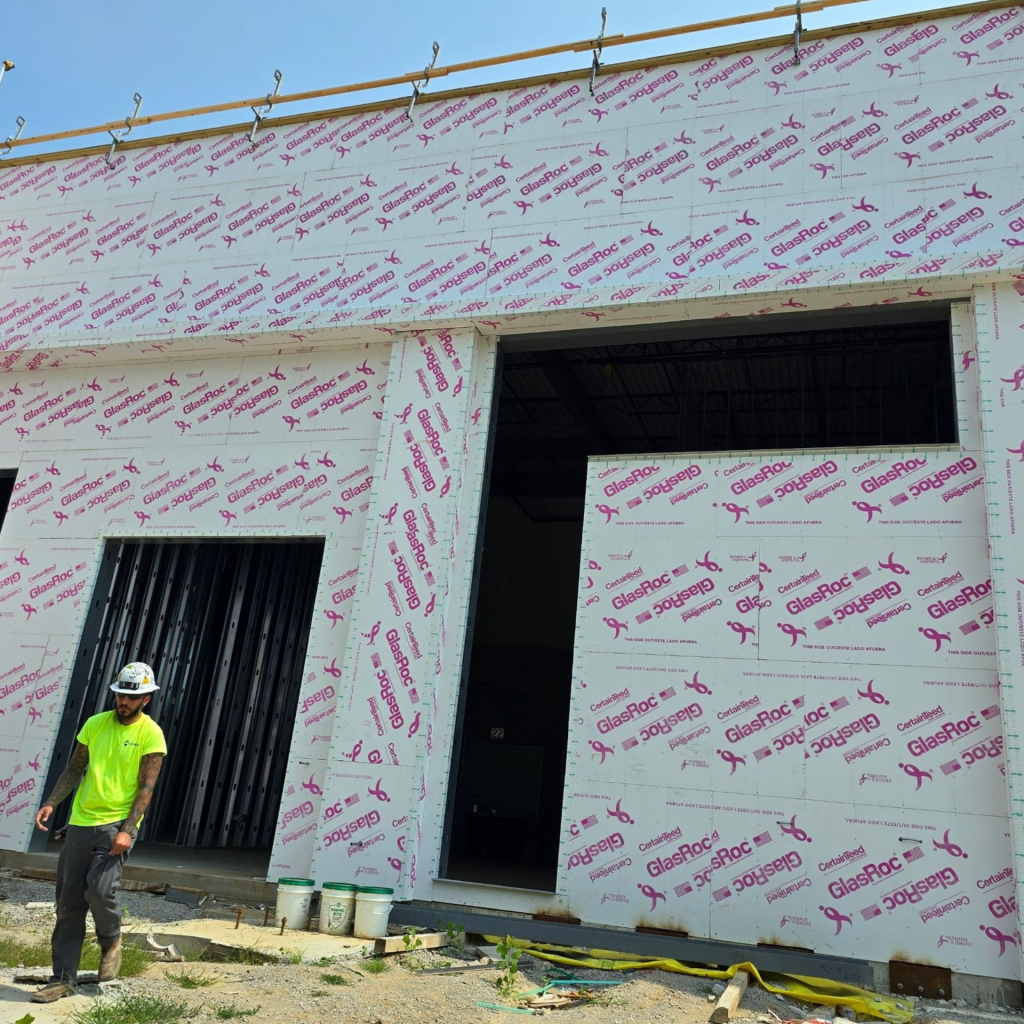
Applications for Fluid-Applied Air Barriers
Fluid-applied air barrier systems are commonly used on:
Commercial and institutional buildings
Parking structures and podium levels
Multi-wythe masonry assemblies
Renovation and restoration projects
Complex facade systems with irregular geometry
Why GKW Restoration
Effective air barrier systems require more than proper installation. They require planning, testing, and an understanding of how buildings respond to air and moisture over time.
GKW Restoration brings a disciplined, performance-based approach to air barrier installation. By combining material knowledge, field verification, and system coordination, we deliver air barrier solutions that protect the building envelope and support long-term durability.
Air Barrier System FAQs
Understanding air barrier performance, testing, and envelope protection
A fluid-applied air barrier is a continuous membrane applied to exterior wall assemblies to control air leakage and manage moisture movement within the building envelope.
Testing confirms proper thickness, adhesion, and continuity. Without verification, even high-quality systems can fail due to poor installation or incompatible substrates.
Air barriers reduce moisture intrusion by limiting air movement that carries vapor into wall assemblies, helping prevent condensation and material deterioration.
Yes. These systems are commonly used in restoration and retrofit projects where flexibility and continuity are required around irregular substrates.
GKW verifies performance using wet film thickness measurements, adhesion pull-off testing, and monitoring of environmental conditions during installation.