
ENGINEERED SYSTEMS FOR MOVEMENT AND MOISTURE CONTROL
Sealants & Expansion Joint Systems
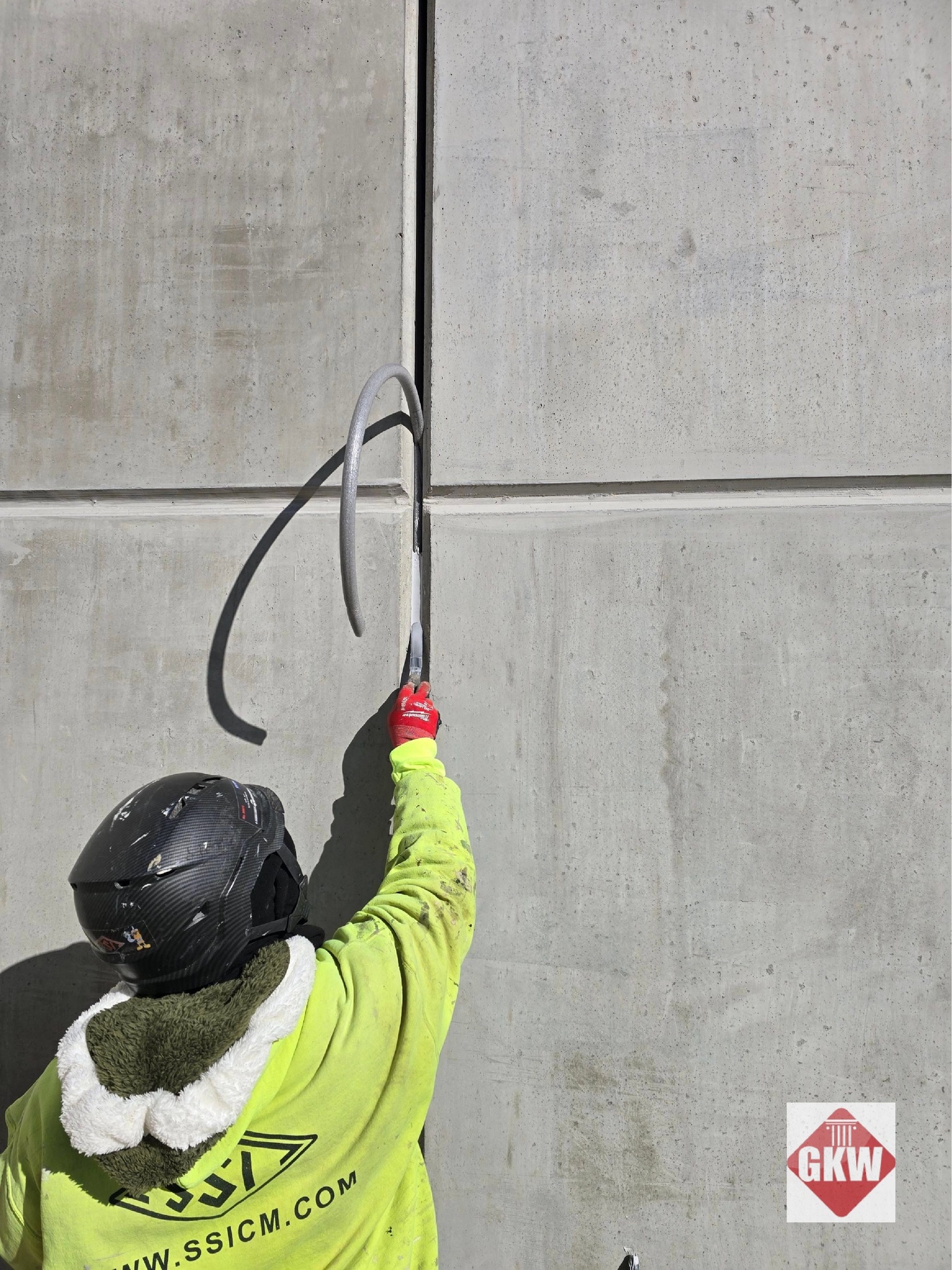
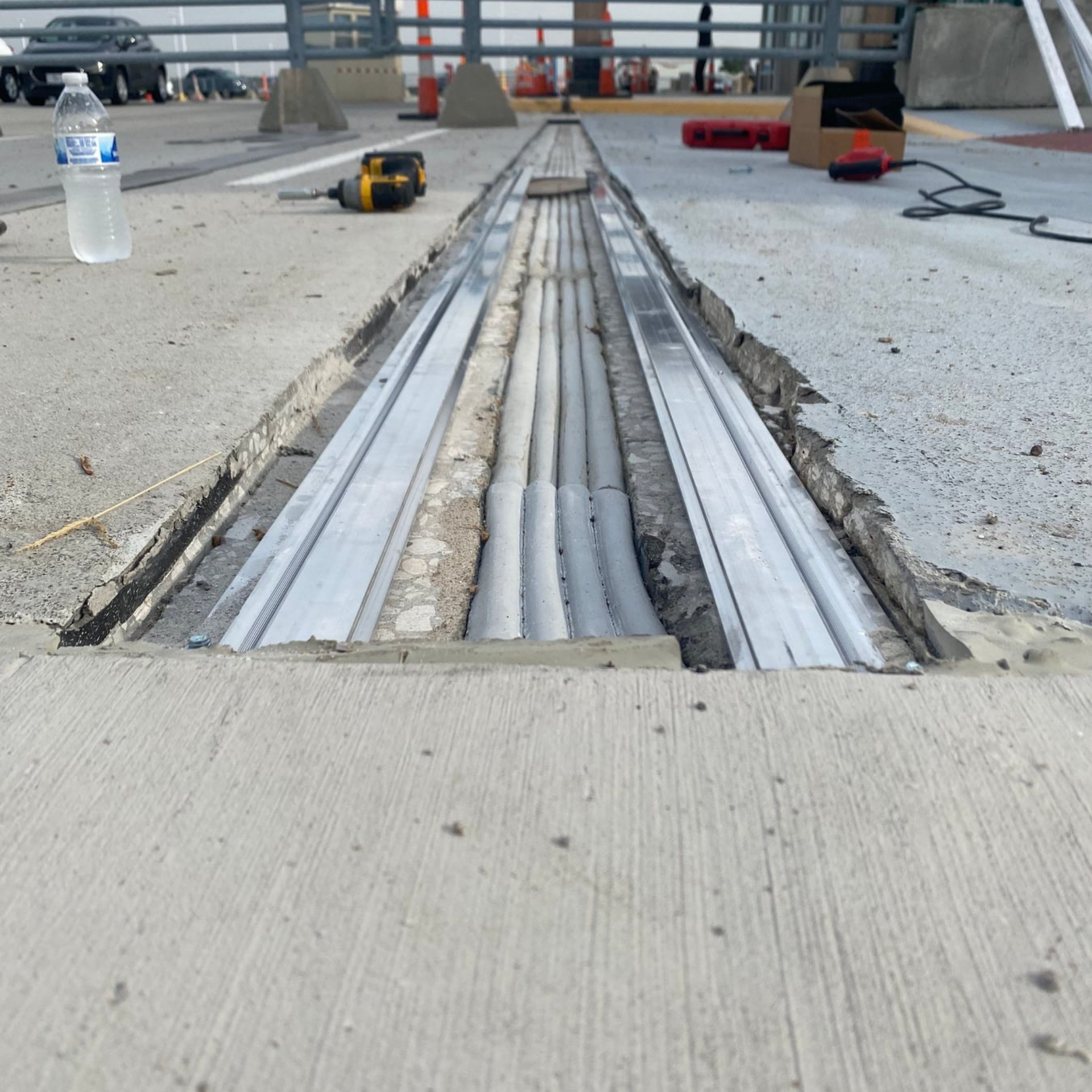
Sealants and expansion joints are functional components of the building envelope, not surface-level finishes. These systems are designed to absorb movement, protect material transitions, and prevent water intrusion at some of the most failure-prone locations on a structure.
GKW Restoration approaches sealant and joint work with a system-based mindset, considering substrate conditions, joint geometry, material compatibility, and anticipated movement to ensure lasting performance.
Removal & Replacement
ADDRESSING FAILED OR DETERIORATED JOINT SYSTEMS
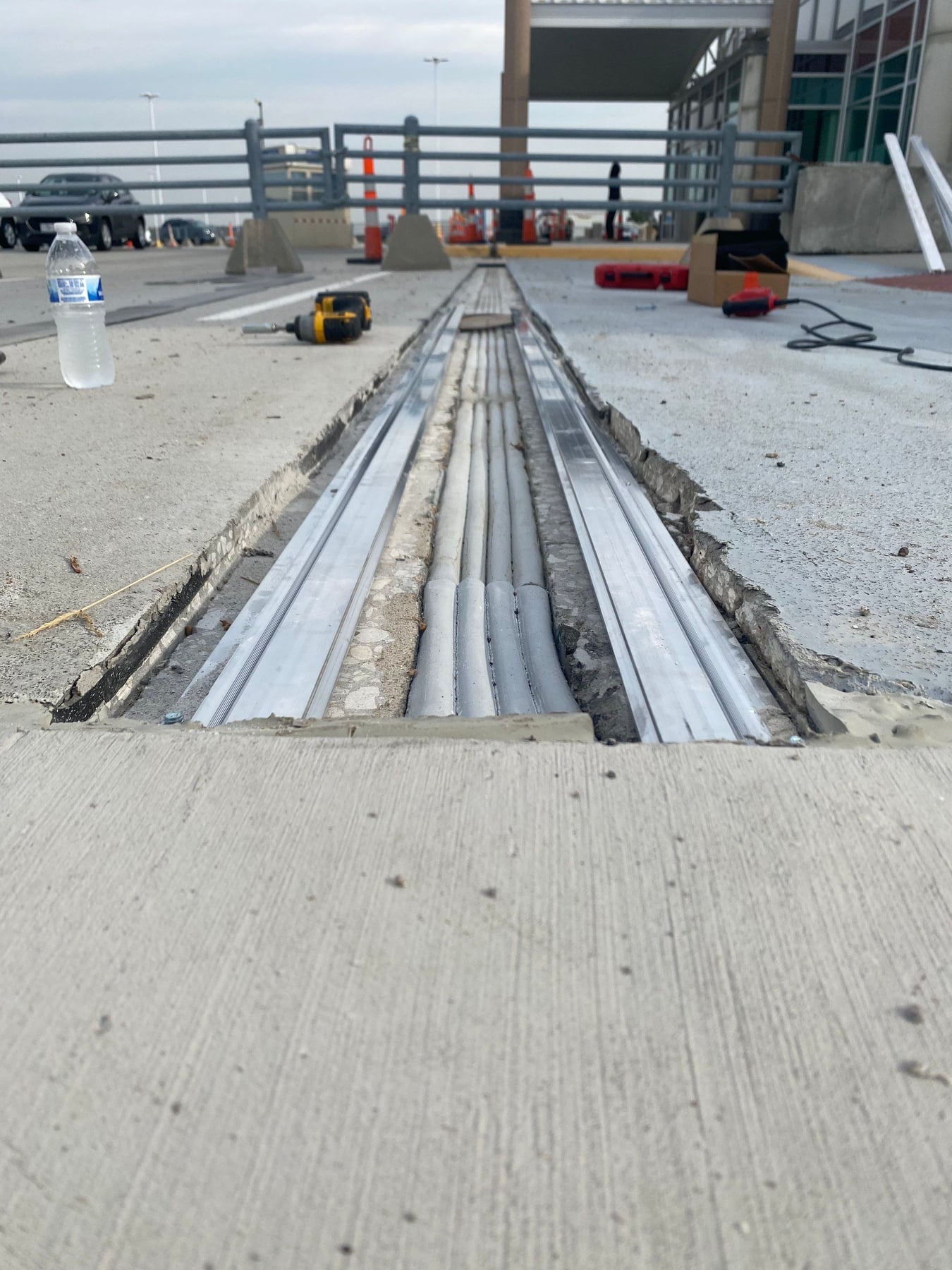
Aging materials, improper installation, and movement beyond design limits commonly lead to sealant failure. GKW Restoration provides complete sealant removal and replacement services, restoring joint integrity through proper surface preparation and installation methods aligned with current performance standards.
Common Applications
WHERE SEALANT AND JOINT SYSTEMS ARE USED
Masonry and concrete control joints
Window and door perimeters
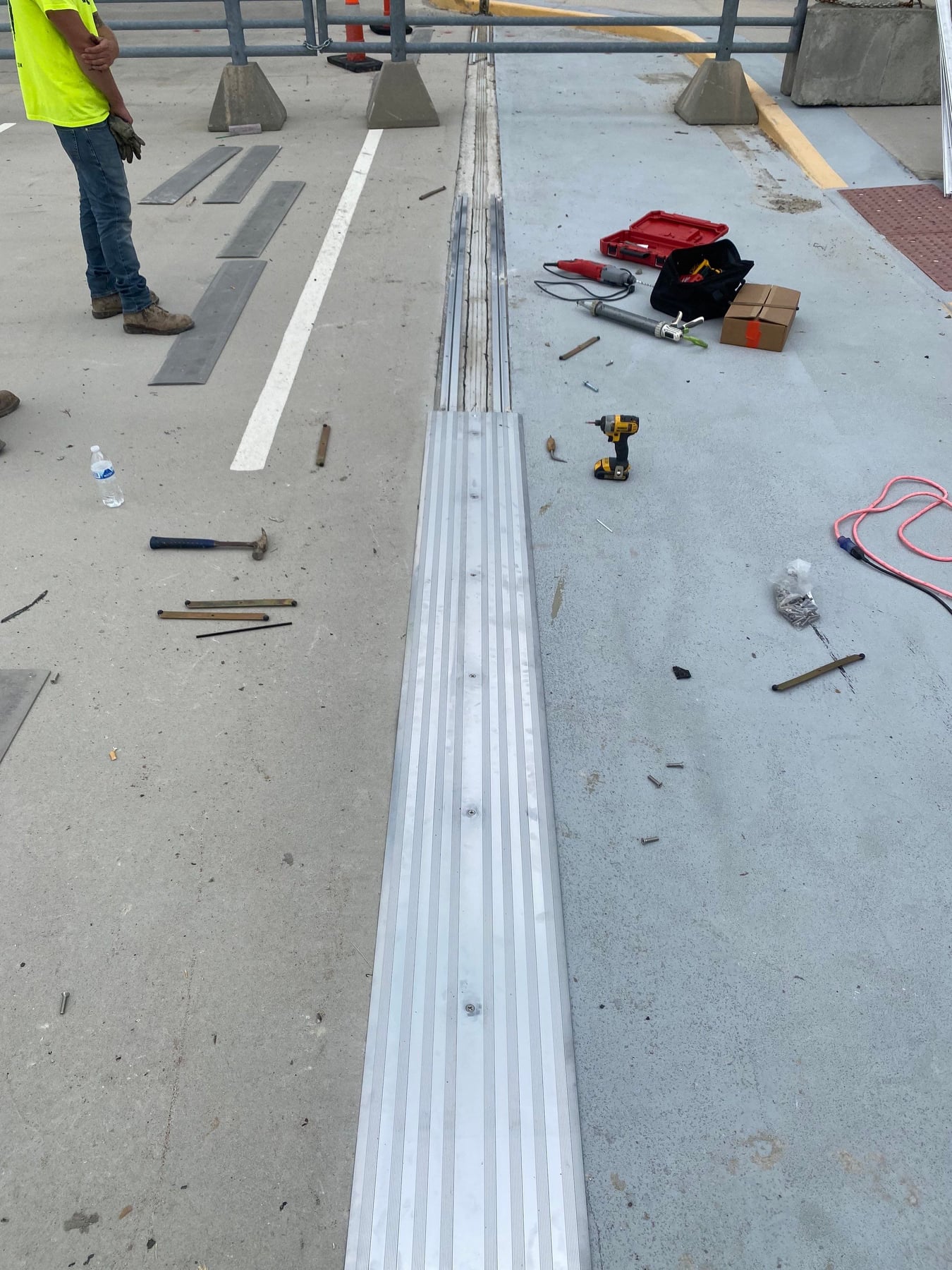
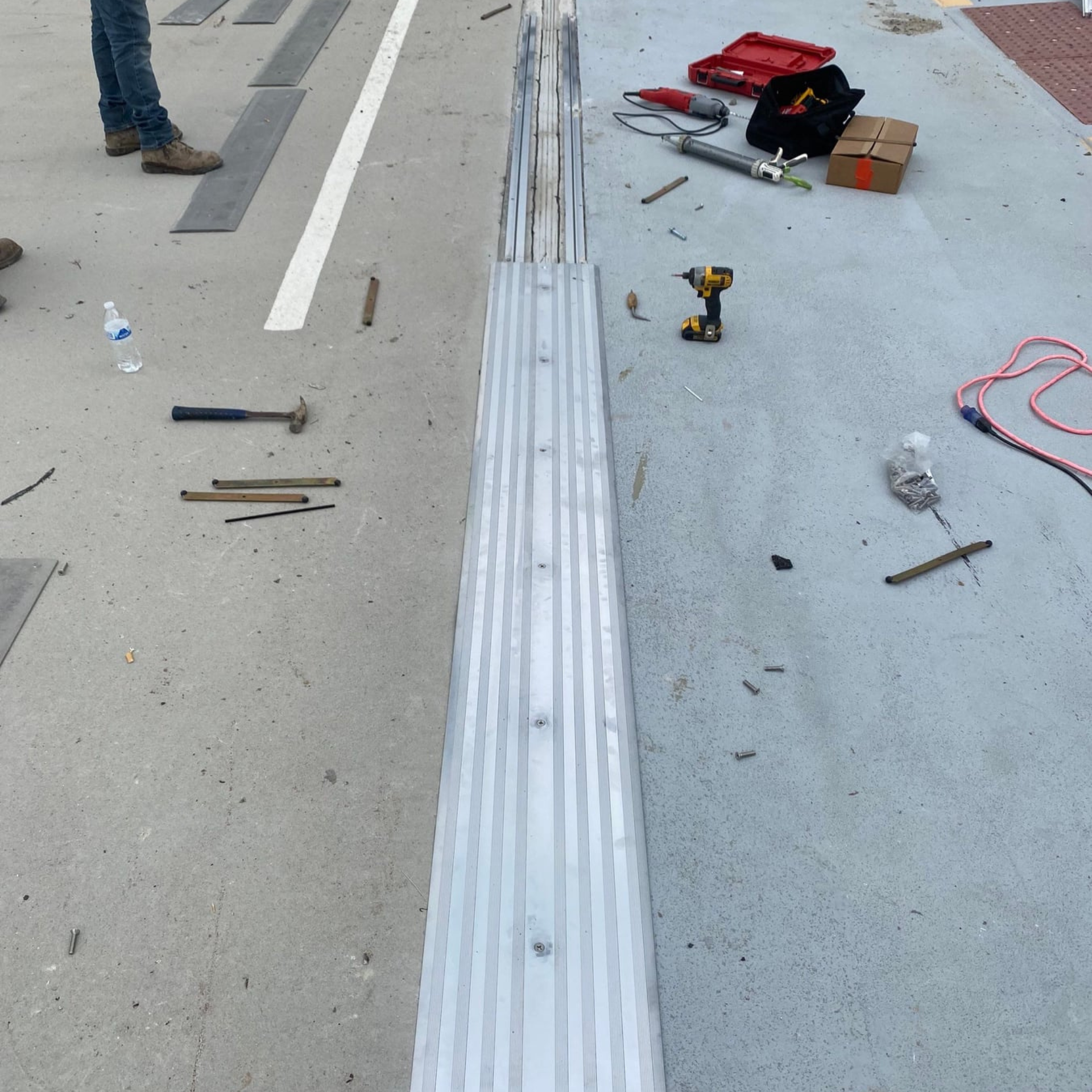
Expansion joints in walls and structures
Transitions between dissimilar materials
Why GKW Restoration
Sealants and expansion joints fail most often when treated as maintenance items instead of engineered systems. GKW Restoration’s understanding of building movement and envelope behavior ensures joint systems that protect the structure over time.
Sealants & Expansion Joint FAQs
COMMON QUESTIONS ABOUT JOINT PERFORMANCE AND DURABILITY
Failures are often caused by improper joint design, poor surface preparation, incompatible materials, UV exposure, or building movement exceeding the original design limits.
Service life varies by material and exposure, but many sealant systems require evaluation every 7–15 years. Regular inspections help identify failures before water intrusion occurs.
Expansion joints accommodate significant building movement, while control joints manage shrinkage cracking in concrete or masonry. Both require different detailing and materials.
Yes. Proper removal techniques and substrate preparation allow sealants to be replaced without damaging adjacent masonry, concrete, or finishes.
Yes. Sealants are critical envelope components that maintain continuity at transitions and prevent moisture intrusion.