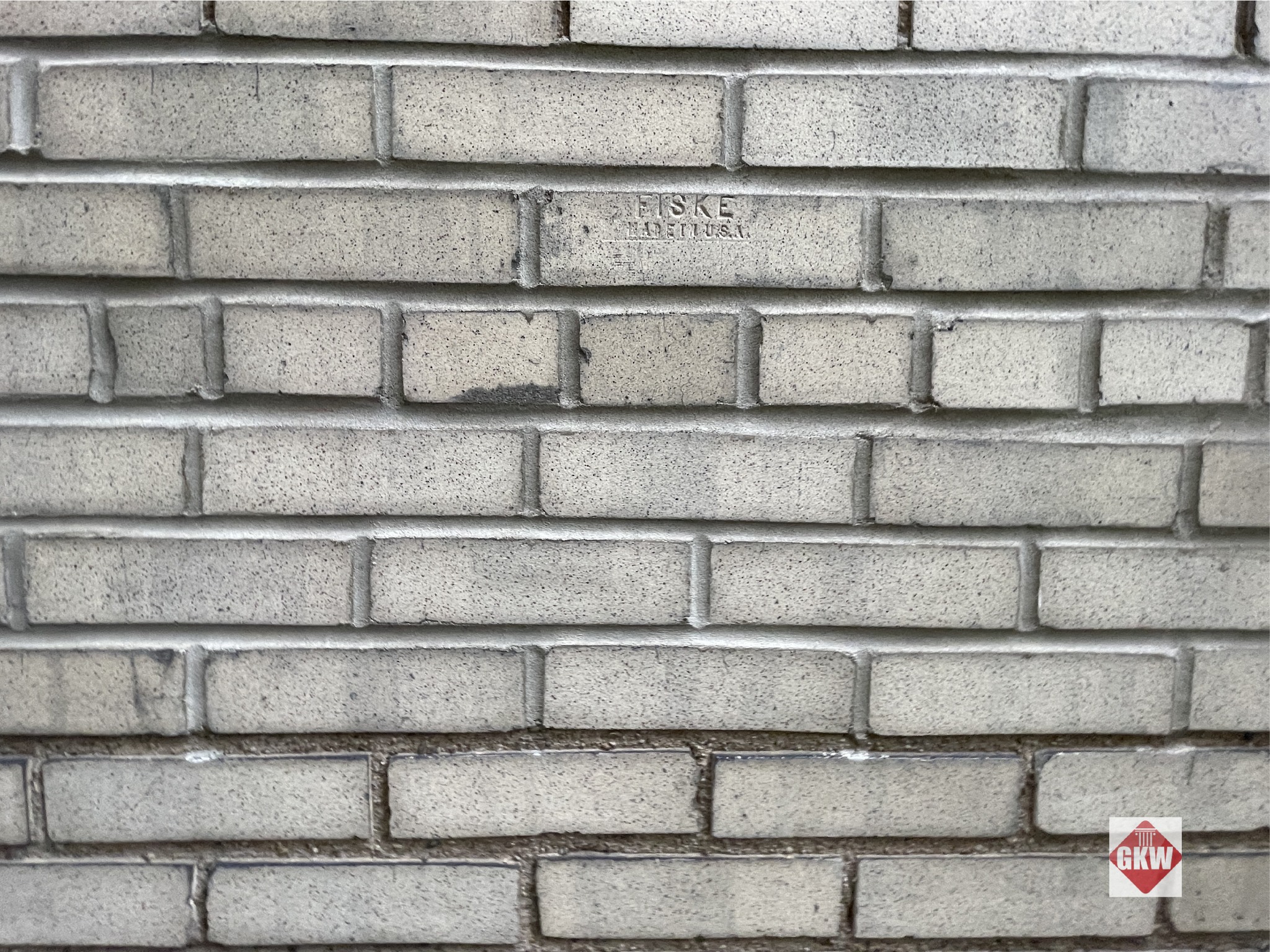

Science-based restoration of historic and modern brick masonry systems
Brick Restoration and Replacement
Brick restoration is not about making a wall look new. It is about restoring how the wall performs.
Brick masonry is a moisture-managed, thermally responsive system. When repairs ignore that reality, damage accelerates quietly until failure becomes visible. At GKW Restoration, brick restoration begins with understanding how the wall was designed to function and why it has fallen out of balance.
Our approach focuses on compatibility, durability, and long-term performance. Every restoration decision is guided by material behavior, environmental exposure, and structural interaction within the wall assembly.
Understanding Brick Failure
Brick does not fail randomly
Cracking, spalling, staining, and surface loss are the result of forces acting over time.
Common causes include trapped moisture, incompatible replacement materials, improper mortar selection, and restrained thermal movement. When repairs are performed without understanding these forces, the wall is forced to absorb stress it was never designed to carry.
GKW evaluates brick deterioration through field investigation, moisture analysis, and material assessment. This allows us to identify whether bricks should be repaired, replaced, or preserved and how surrounding materials must be adjusted to restore system balance.
Material Compatibility Matters
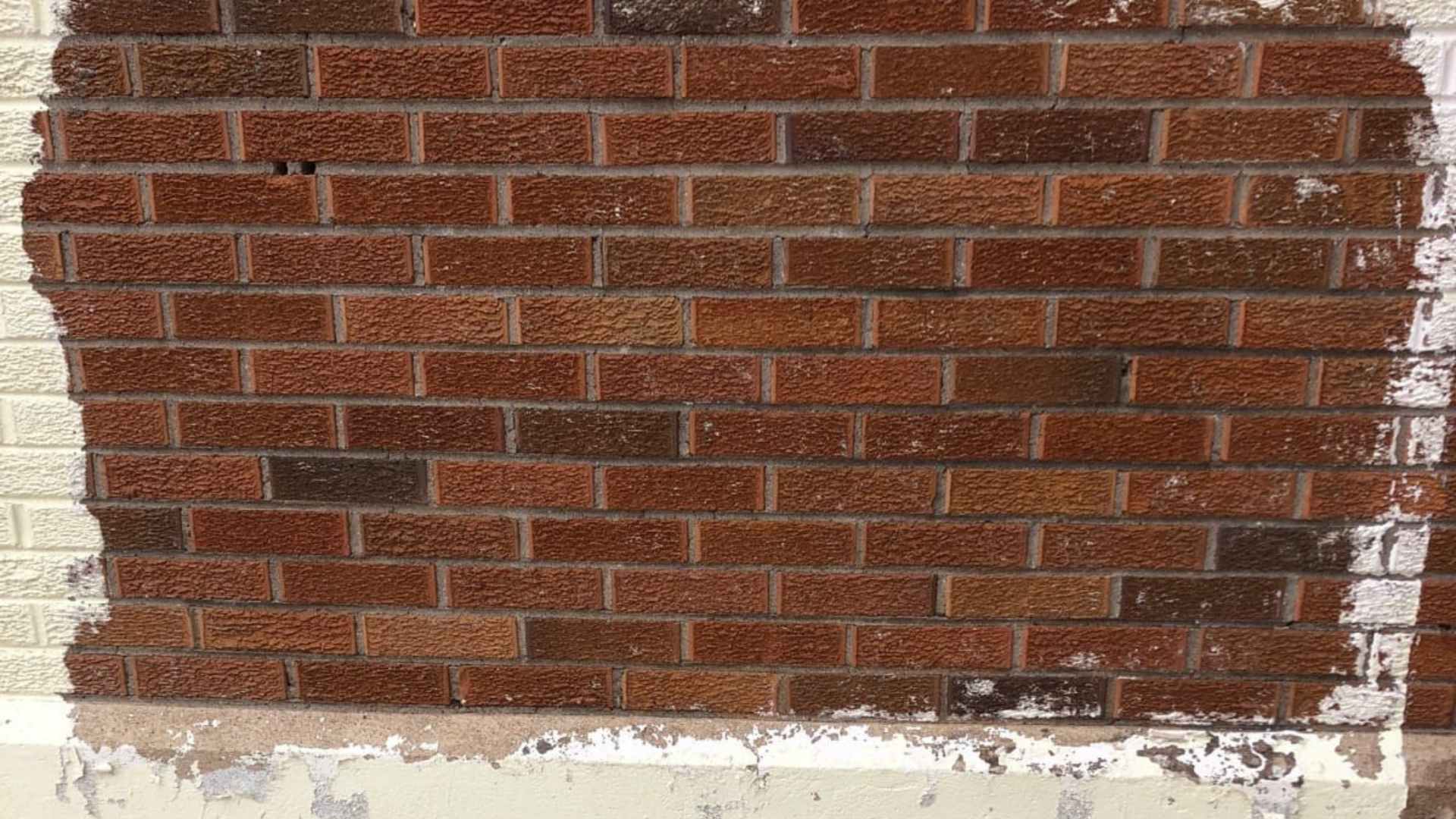
Successful brick restoration depends on more than matching color and size. It requires matching performance.
Successful brick restoration depends on more than matching color and size. It requires matching performance.
We analyze brick density, absorption rates, firing characteristics, and thermal behavior to ensure replacement units respond the same way as the original masonry. Mortars are selected to remain sacrificial, allowing joints to absorb movement and moisture without transferring stress into the brick.
By restoring compatibility within the wall, repairs remain durable and visually cohesive over time rather than standing out or failing prematurely.
Our Restoration Process
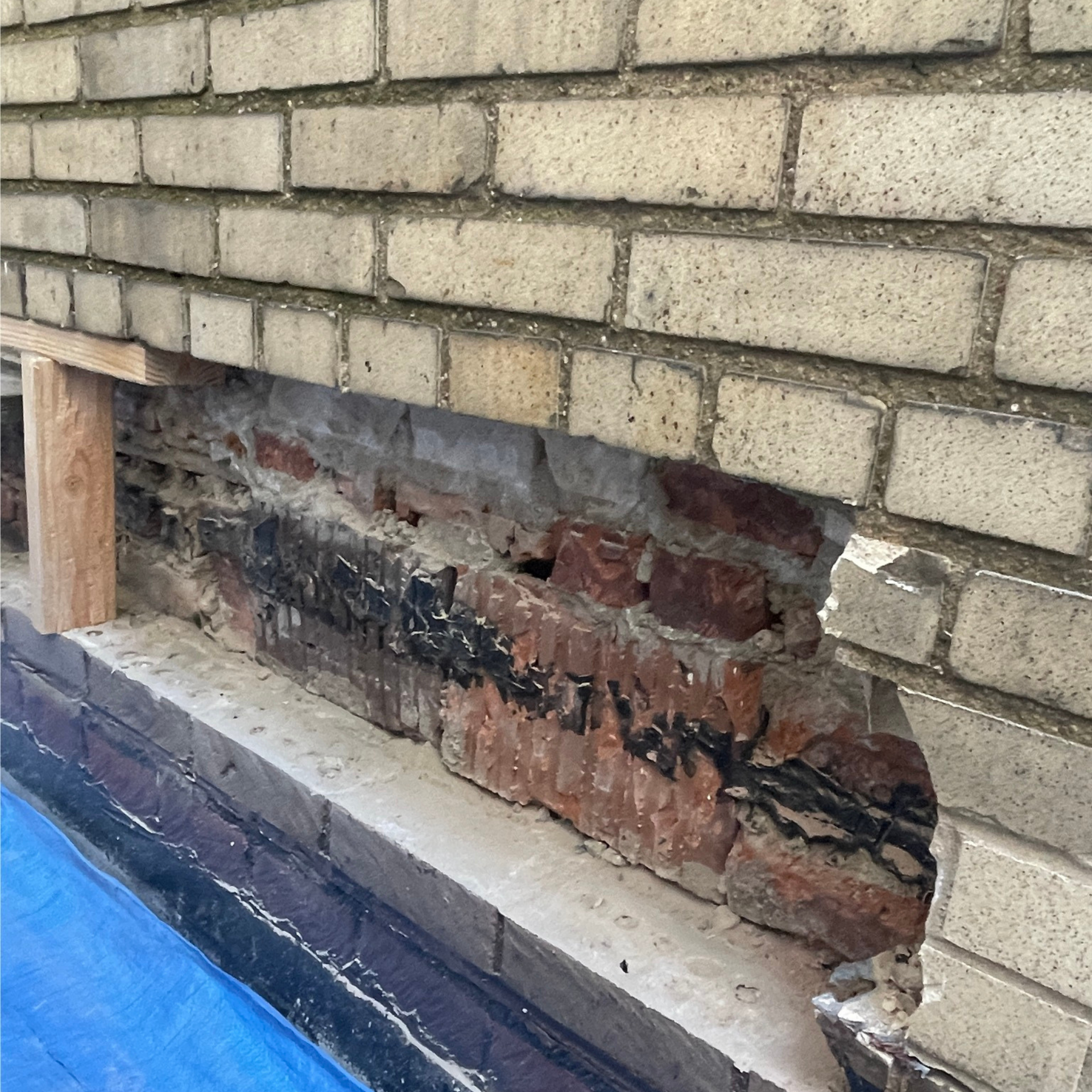
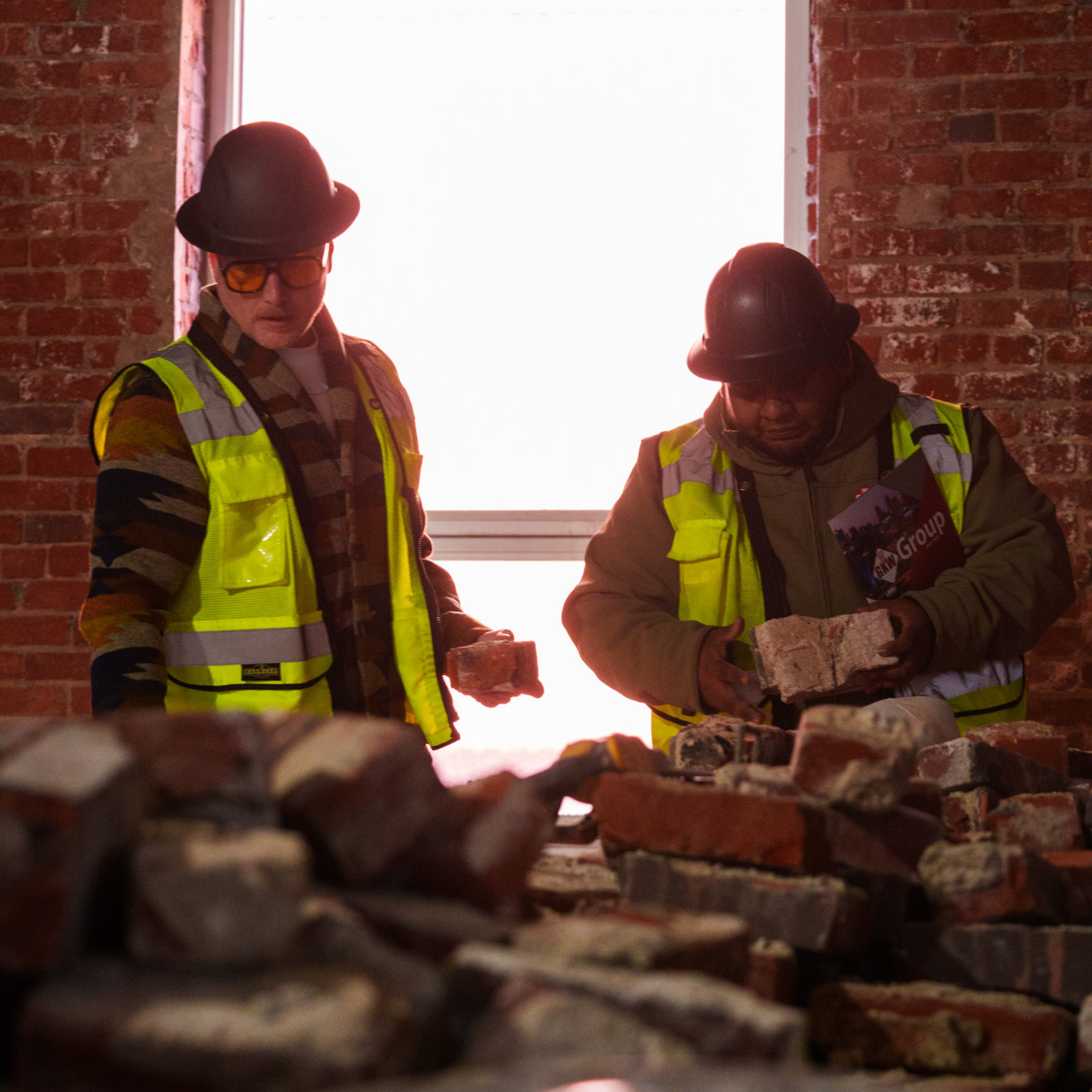
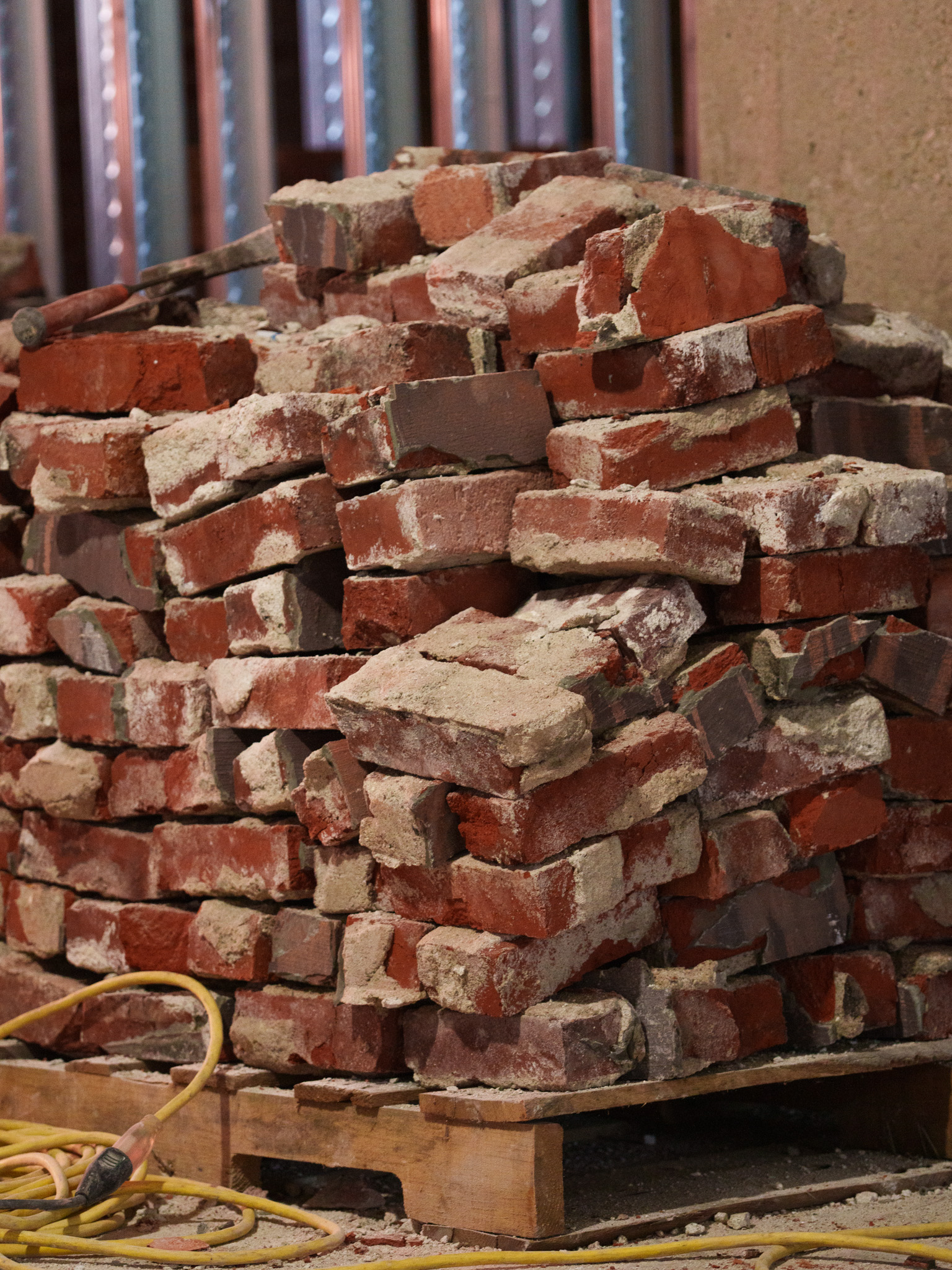
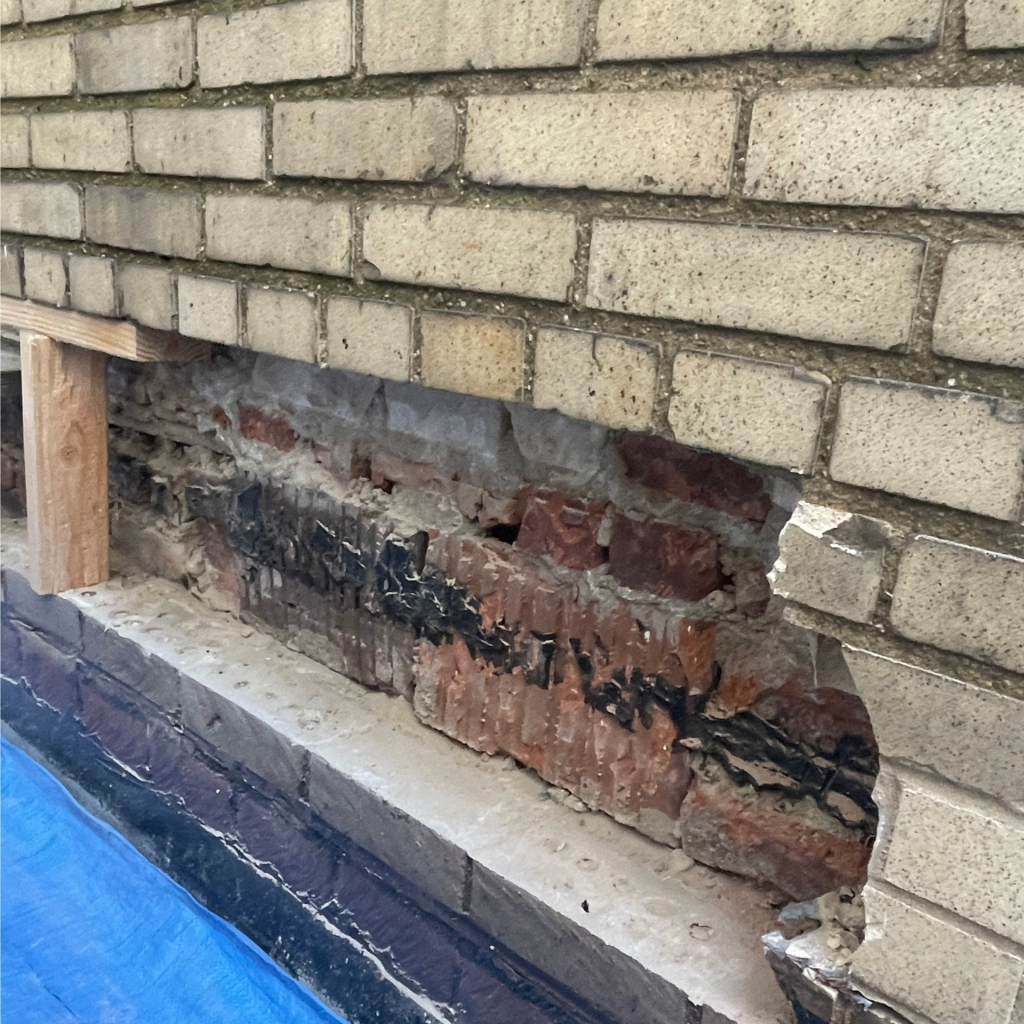
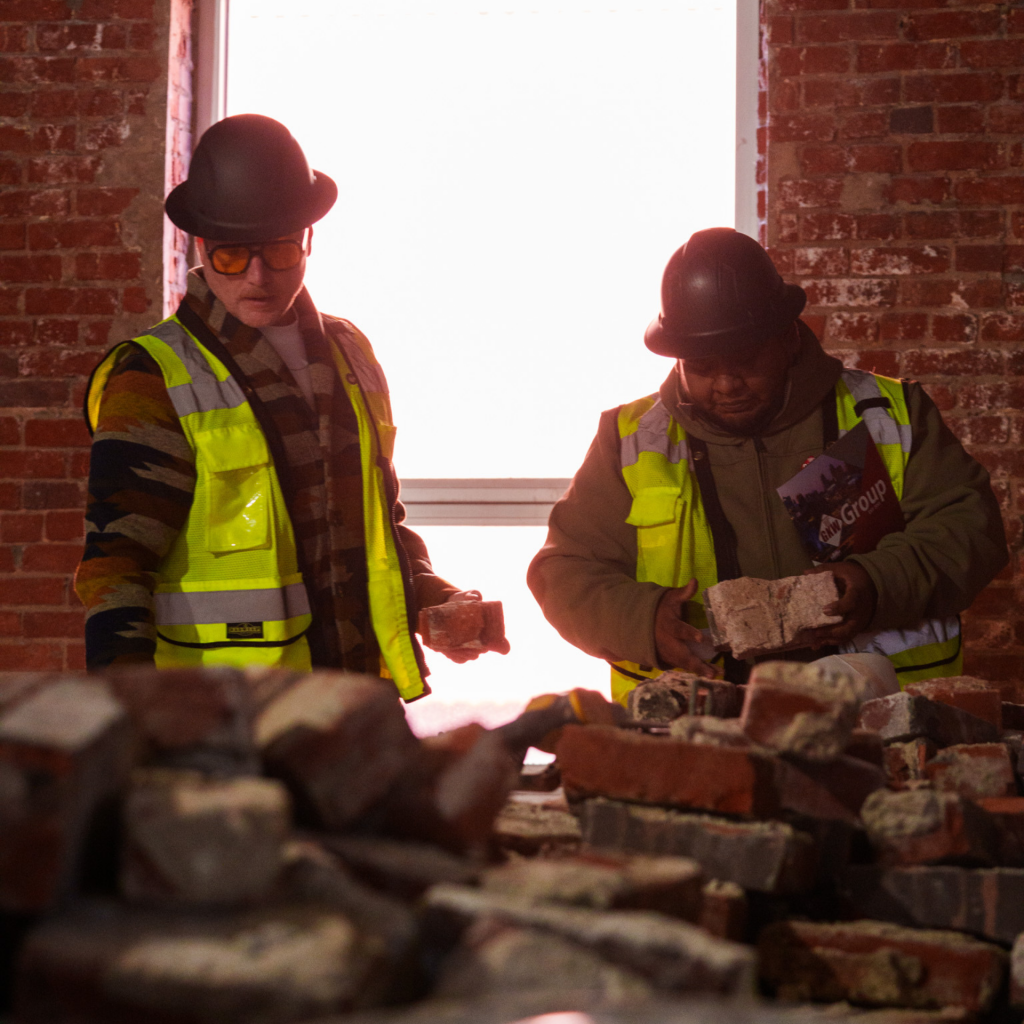
Brick restoration projects typically include a combination of selective demolition, careful removal, and targeted replacement.
Existing masonry is protected during work, and surrounding materials are evaluated to prevent unintended damage.
Where replacement is required, new units are installed using restoration-appropriate methods that respect joint profiles, bond patterns, and original construction techniques. Repairs are integrated seamlessly so the wall continues to function as a unified system.
Throughout the process, quality control and verification ensure workmanship aligns with both technical requirements and long-term performance goals.
Where Brick Restoration Is Applied
Brick restoration services are commonly performed on:
Historic masonry facades
Commercial and institutional buildings
Parking structures and podium levels
Multi-wythe cavity wall systems
Landmark and preservation projects
Each structure presents unique challenges, and restoration strategies are tailored accordingly.
Why GKW Restoration
Brick restoration demands patience, experience, and respect for existing materials. GKW Restoration brings a disciplined, science-based approach to every project, supported by field testing, material analysis, and experienced crews.
Our goal is not to mask damage, but to correct the conditions that caused it. By restoring performance rather than appearance alone, we help buildings endure future exposure while preserving their character and integrity.
Brick Restoration FAQs
Common questions about brick performance, repair, and long-term durability
Brick restoration is the process of repairing, replacing, and stabilizing brick masonry to restore structural performance, moisture control, and long-term durability. It addresses how the wall functions, not just how it looks.
Brick replacement is necessary when units have lost structural integrity due to spalling, cracking, or excessive moisture saturation. GKW evaluates absorption, strength, and compatibility to determine the correct approach.
Brick commonly fails due to trapped moisture, freeze-thaw cycling, incompatible mortars, and restrained thermal movement. These forces act gradually and often remain hidden until damage becomes visible.
Replacement brick is matched based on density, porosity, absorption rate, and thermal behavior. Visual appearance is matched only after performance compatibility is confirmed.
Yes. Brick restoration is frequently required for historic and landmark buildings. GKW follows preservation best practices to ensure repairs respect original materials and construction methods.