Modern Building Restoration
Modern buildings face evolving performance demands, aging materials, and exposure-related deterioration. At GKW Group, modern building restoration focuses on restoring structural integrity, improving envelope performance, and extending the service life of active commercial and institutional structures.
Back to All Projects

A RESPONSIBILITY TO PERFORMANCE AND CONTINUITY

STRENGTHENING EXISTING STRUCTURES FOR LONG-TERM SERVICE

Modern building restoration requires more than surface-level repair. It demands an understanding of how building envelope systems, masonry assemblies, and structural components perform over time—and how those systems interact under real-world conditions.

At GKW Group, restoration decisions are guided by evaluation, material compatibility, and proven construction practices. We address failures at their source, whether caused by water intrusion, material degradation, or movement, ensuring repairs integrate seamlessly with existing systems.

Many modern restoration projects must be completed while buildings remain occupied and operational. Our team plans and executes work to minimize disruption while maintaining safety, schedule, and quality standards.

By restoring performance rather than masking symptoms, modern building restoration projects extend the life of existing structures and protect the investment made in them.

FEATURED MODERN BUILDING RESTORATION PROJECTS

REAL-WORLD EXAMPLES OF PERFORMANCE-DRIVEN RESTORATION

ach project below highlights our approach to modern building restoration, showcasing how evaluation, technical execution, and attention to long-term durability guide every solution we implement.

Park Hill South High School

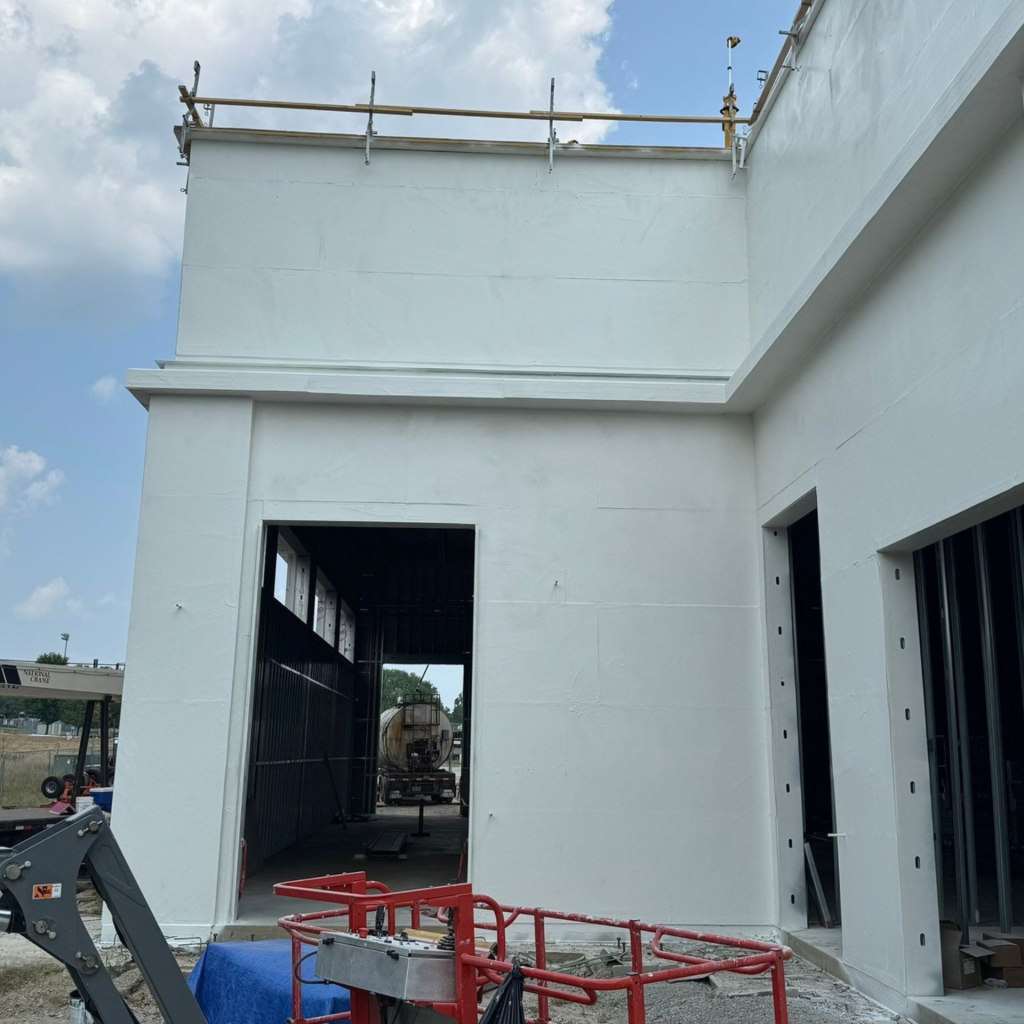
During renovations at Park Hill South High School in Riverside, Missouri, GKW Restoration completed critical building envelope upgrades including below-grade waterproofing, air barrier installation, caulking, and expansion joints. The work improved long-term performance and durability while preparing the facility for continued use by students and staff.

Read More