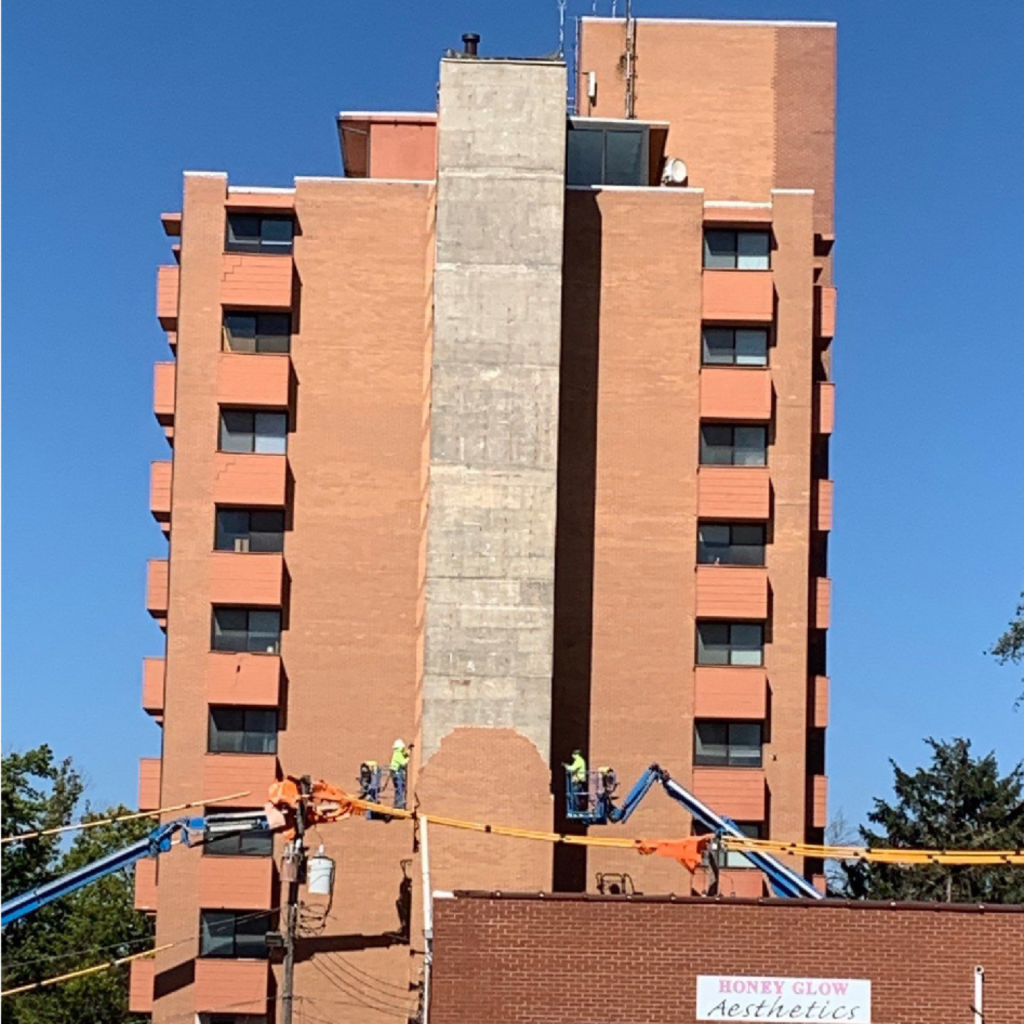

Wall Tie Failure and the Physics Behind Anchor Behavior
The Hidden Physics of a Wall Tie: Why Anchors Fail, and How to Think Like a Structure
Wall ties are invisible, but their failure isn’t.
When cavity walls separate, when brick facades bow outward, the culprit is often unseen: corroded anchors, improperly spaced ties, thermal fatigue.
But every failure tells a story—of differential movement, steel expansion under rust, and the quiet war between tension and gravity. Even the smallest expansion from ferrous oxide (iron oxide rust) can exert over 4,000 psi of pressure—enough to crack brickwork from within.
Modern retrofits require more than replacement—they demand forensic understanding.
Where is the load transferred?
How does a new stainless tie interact with the original masonry’s movement profile?
What happens at the interface of dissimilar materials?
An anchor isn’t just hardware—it’s a question of equilibrium.